Most of us expect water to work quietly in the background. We turn on the kitchen tap to fill a glass, take a shower before heading to work, or run the washing machine without giving much thought to what’s flowing through the pipes. It’s only when something changes that water gets our attention. A strange taste, orange stains around the sink, or a stubborn layer of scale on the shower door can quickly turn an ordinary household annoyance into a bigger concern.
The tricky part is that water problems don’t always look the same from one home to another. Two neighbors might use water from similar sources yet experience completely different issues. That’s why choosing treatment equipment without understanding the underlying cause can lead to wasted money and disappointing results.
Connected station Why Better Water Quality Can Make a Real Difference at Home
A more sensible approach starts with observation, testing, and a clear understanding of what the household actually needs.
Why Water Problems Deserve Individual Attention
Water quality depends on several factors, including the original source, local geology, plumbing materials, and the treatment processes used before water reaches the property. Municipal supplies are treated and monitored, but characteristics such as hardness, taste, and mineral content can still vary. Private wells introduce another set of considerations because groundwater conditions may change with rainfall, nearby agricultural activity, or seasonal fluctuations.
Connected station Choosing the Right Water Softener for Your Home and Lifestyle
For homeowners dealing with well water challenges, identifying the source of a problem is particularly important. Iron and manganese can contribute to staining, while excessive hardness may cause mineral buildup inside pipes and appliances. Sulfur compounds can create an unpleasant rotten-egg smell, and sediment may make water appear cloudy.
Some concerns are more serious than others. Bacteria, nitrates, and certain chemical contaminants may be present without creating any noticeable change in taste, color, or smell. A glass of clear water isn’t proof that the water is safe.
Connected station The Right Water Dispenser Can Make Everyday Hydration Simpler
Well owners should arrange appropriate testing through a qualified laboratory and follow local public health recommendations. If flooding, well repairs, or changes in nearby land use occur, additional testing may be advisable. Understanding the actual results makes it easier to choose equipment that addresses the right problem.
Recognizing the Signs Around Your Home
Sometimes the first clues appear during everyday chores. White crust around a faucet may indicate hard water. Brown or reddish stains in sinks and laundry could point toward iron, although plumbing corrosion and other causes should also be considered. A persistent chlorine taste may be related to municipal disinfection, while a metallic flavor deserves investigation rather than a quick assumption.
Connected station How Multi-Stage Water Filtration Works to Improve Everyday Drinking Water
Pay attention to patterns, too. Does the problem occur at every tap or only at one fixture? Is the water different after heavy rain? Does a bad smell appear only when using hot water? These details can help narrow down possible causes before testing begins.
A homeowner might notice that the kettle needs descaling every few weeks, for example. Another might find that freshly washed glasses look cloudy once they dry. These are useful observations, but they don’t tell the whole story. Testing provides a clearer picture of the water’s chemical and physical characteristics and helps distinguish between cosmetic issues and concerns that need more attention.
Connected station What Your Water Leaves Behind Can Tell You a Lot
Why Testing Should Come Before Buying Equipment
It’s easy to be tempted by a filter advertised as suitable for every home. In practice, no single treatment method solves every water quality issue. A system designed to reduce hardness minerals may do little to address bacteria, and a carbon filter intended to improve taste may not remove dissolved minerals.
A free water analysis can be a helpful first step when offered by a water treatment provider. Before arranging an assessment, ask which parameters are tested, whether the service is intended as a preliminary screening, and whether laboratory analysis is recommended for your particular concerns.
The word “analysis” can mean different things depending on the provider. Some assessments measure basic properties such as pH, hardness, iron, or chlorine. Others may involve more extensive testing. If you rely on a private well, don’t assume a basic sales assessment replaces certified laboratory testing for bacteria, nitrates, or other potential health hazards.
Municipal water customers can also review their local water quality reports. However, those reports describe the utility’s supply and may not reflect conditions caused by older plumbing inside an individual home.
Once the results are available, you’ll have a much stronger foundation for deciding what to do next.
Finding a Treatment Method That Fits
Different water concerns call for different approaches. A water softener, for instance, reduces hardness minerals through an ion-exchange process. It can help control scale buildup, improve soap performance, and reduce deposits that collect inside water heaters and other appliances.
Activated carbon filtration is commonly used to improve taste and odor and reduce certain organic compounds or chlorine, depending on the filter’s certification. Sediment filters capture suspended particles, while reverse osmosis systems can reduce many dissolved substances when properly selected and maintained. Water containing microbial contamination may require disinfection or another treatment specifically suited to the contaminant.
This is where custom water solutions become valuable. Rather than installing equipment based on a generic recommendation, a tailored approach considers the test results, water consumption, plumbing arrangement, household budget, and maintenance preferences.
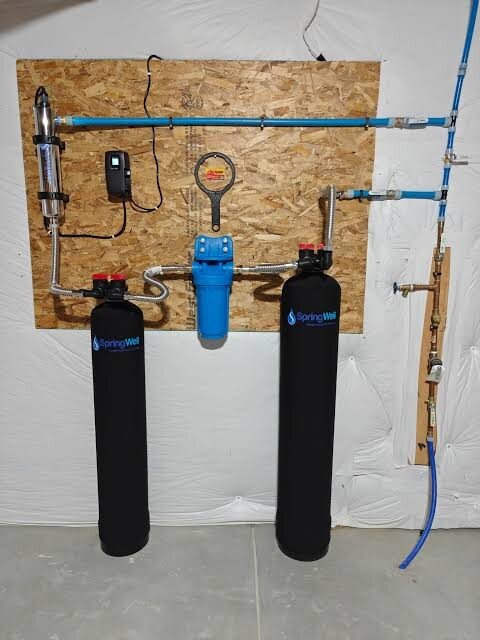
For one household, a simple under-sink drinking-water filter may be enough. Another property might need sediment removal followed by a softener. A home with several confirmed water concerns could require a more comprehensive treatment setup.
The aim isn’t to install the largest or most expensive system available. It’s to choose equipment that performs a defined job and can be maintained properly over time.
Don’t Overlook Installation and Maintenance
Even good equipment can disappoint when it’s installed incorrectly or neglected. Filters have a useful service life, membranes need attention according to manufacturer instructions, and softeners may require salt replenishment and periodic checks. Some systems also need electricity or produce wastewater during operation.
Before purchasing anything, ask about installation requirements, replacement parts, service intervals, and ongoing operating costs. Find out whether the system has been independently certified for the contaminants you want to reduce. If a supplier makes broad claims about removing every impurity, request specific performance information.
It’s also sensible to establish a baseline before installation. Keep a copy of the water test results and ask whether follow-up testing is appropriate after the equipment is running. This helps determine whether the treatment is delivering the expected improvement.
Making a Confident Decision About Your Water
Water treatment doesn’t have to become an overwhelming project. The process is often much simpler when you take it one step at a time: notice the symptoms, investigate their likely causes, test the water, and compare suitable options.
Avoid treating every stain, odor, or taste as proof of a dangerous problem. At the same time, don’t dismiss unusual changes simply because the water still looks clear. A measured response is more useful than either panic or guesswork.
Your home’s water should suit your daily needs, whether that means fewer mineral deposits, better-tasting drinking water, or a reliable way to address a confirmed contaminant. With sound testing and realistic expectations, it’s possible to choose a treatment system that makes life easier without adding unnecessary expense.
In the end, the smartest investment isn’t necessarily the newest technology or the longest list of features. It’s a solution built around reliable information, practical household needs, and a maintenance plan you can actually follow. Start there, and the next step becomes much easier to see.
