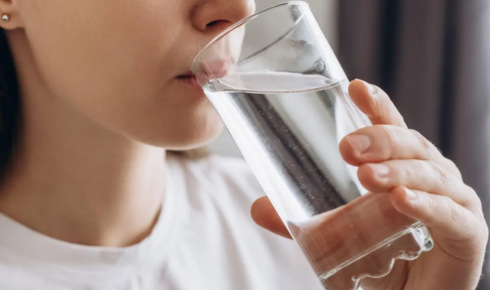
Water is one of those everyday things we rarely stop to think about. It fills the glass, runs through the coffee maker, boils pasta, rinses fruit, and sits beside the bed at night. Simple enough. But when the water tastes a little off, smells faintly strange, or leaves people wondering what’s actually in it, that simple thing suddenly feels more complicated.
Most homeowners don’t want a science lesson every time they turn on the tap. They just want water that tastes clean, feels safe, and doesn’t make them second-guess what their family is drinking. Fair enough. Good water should feel boring in the best possible way — reliable, fresh, and easy to trust.
Connected station The Quiet Difference Clean Air Makes in a Busy Home
Taste Is Usually the First Thing People Notice
The first sign that water needs attention is often taste. Maybe it has a chlorine edge, a metallic finish, or a flat, stale quality that makes people reach for bottled water instead. Sometimes the difference is subtle. You take a sip and think, “Hmm, that’s not great,” then forget about it until tomorrow.
Connected station When Clean Water Stops Feeling Guaranteed: Understanding What Flows From Your Tap
That’s where filtration can make a real difference. A good system can help deliver better tasting water straight from the tap, without the daily habit of buying plastic bottles or keeping a pitcher permanently parked in the fridge.
Taste matters more than people admit. If water tastes good, you drink more of it. Kids are less likely to ask for juice all the time. Coffee tastes cleaner. Ice cubes don’t carry that odd freezer-meets-chlorine flavor. Even cooking improves a little, especially soups, tea, rice, and anything where water plays a quiet but important role.
Connected station Why Better Water Begins With Understanding What’s Really Flowing Through Your Home
What Might Be Hiding in Plain Sight
Tap water can look perfectly clear and still contain minerals, chemicals, or particles that affect quality. That doesn’t mean every glass is dangerous. In many places, municipal water is treated and monitored. But “treated” doesn’t always mean ideal for taste, smell, or household preference.
Connected station The Little Clues Your Home Gives When Water Is Too Hard
One common concern is dissolved solids, which can include minerals, salts, metals, and other substances that pass through ordinary screens or basic filters. They’re not always visible, and they don’t always create an obvious smell. But they can influence taste, leave residue, and affect how water performs in the home.
This is why water testing is so useful. Guessing based on taste alone can be misleading. A simple test helps identify whether the issue is chlorine, hardness, sediment, iron, total dissolved solids, or something else entirely. Once you know what’s in the water, choosing the right solution becomes much easier.
Connected station When Better Water Becomes One of the Best Upgrades for Your Home
Filtration Is Not One-Size-Fits-All
A lot of people assume all water filters do the same thing. They don’t. A small carbon filter pitcher is not the same as an under-sink reverse osmosis system. A whole-house filter is different again. Each system is built for a particular job.
Carbon filters are often used to improve taste and reduce chlorine or certain odors. Reverse osmosis systems are commonly chosen when homeowners want more advanced filtration at a drinking water tap. Whole-house systems are useful when the goal is improving water throughout the property, not just at one faucet.
The right choice depends on the water problem, the home’s plumbing, family size, budget, and expectations. Someone who only dislikes chlorine taste may need a simple fix. A household dealing with well water, sediment, or high mineral content may need something more targeted.
Why Families Are Paying More Attention Now
People are more aware of water quality than they used to be. Maybe it’s because of news stories, local reports, health concerns, or just the growing feeling that we should know more about what we consume every day. Whatever the reason, homeowners are asking better questions.
They’re not just saying, “Is my water legal to drink?” They’re asking, “Is it good quality? Does it taste right? Is it the best option for my family?” That’s a fair shift.
This is where contaminant reduction becomes an important part of the conversation. Depending on the system, filtration may help reduce substances like chlorine, lead, sediment, volatile organic compounds, or other unwanted elements. The key word is “depending,” because no system removes everything. A trustworthy installer or water specialist should explain clearly what a system can and cannot do.
The Bottled Water Habit Gets Expensive
Bottled water feels convenient until you actually think about it. The cost adds up. The plastic piles up. Someone has to carry the cases from the store, find space for them, and remember to buy more before they run out.
Filtered tap water can reduce that routine. Not always overnight, and not for every household, but it often changes habits naturally. When clean drinking water is available right at the sink, people tend to use it. Filling reusable bottles becomes easier. Cooking with filtered water feels normal. The fridge is less crowded with plastic.
There’s also a certain comfort in not relying so heavily on store-bought water. It’s one less thing on the weekly list.
Small Daily Improvements Add Up
The best thing about better water is how quietly it improves daily life. It’s not like renovating a kitchen or adding a new room. Nobody walks in and says, “Wow, your water filtration system is stunning.” Well, probably not.
But people notice the glass of water that tastes fresher. They notice coffee that doesn’t taste slightly bitter for no reason. They notice clearer ice, cleaner tea, and fewer complaints from kids who used to hate tap water. These are small things, but homes are mostly made of small things.
Even guests notice sometimes. They may not say much, just refill the glass without asking for bottled water. That’s a good sign.
Choosing a System Without Overcomplicating It
The smartest place to start is with a water test. From there, homeowners can compare options based on actual needs instead of guessing. Look for systems that are properly sized, easy to maintain, and designed for the specific water concerns in the home.
Maintenance matters, too. Filters need replacement. Reverse osmosis systems need periodic care. Whole-house systems should be checked as recommended. A neglected system won’t perform the way it should, no matter how good it looked on installation day.
It’s worth working with someone who explains things plainly. No scare tactics. No confusing jargon. Just clear guidance based on the water itself.
Fresh Water Shouldn’t Feel Complicated
At the end of the day, clean drinking water is about confidence. You turn on the tap, fill a glass, and drink without wondering. That’s the goal. Not perfection, not fancy promises, just water that fits the way a home actually lives.
Good filtration can make that happen. It can improve taste, reduce unwanted substances, cut down on bottled water, and make everyday routines feel a little easier.
And honestly, that’s enough. Sometimes the best home upgrades are the ones you don’t have to think about every day.
