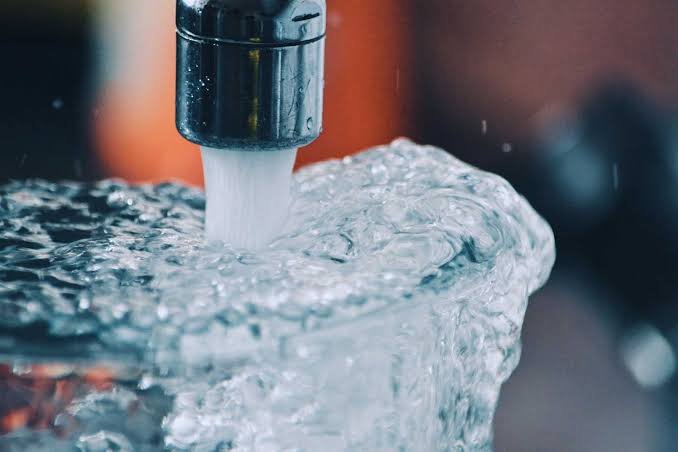
There’s something comforting about turning on the faucet without giving it a second thought. Water has a way of blending into everyday life so completely that most of us only notice it when something seems… off. Maybe the glass smells a little strange. Maybe the coffee tastes different. Or perhaps a faint stain begins appearing around the sink, making you wonder if the water itself has changed.
The truth is, the quality of household water isn’t always obvious. Crystal-clear water can still carry substances you wouldn’t expect, while water that looks cloudy may simply contain harmless air bubbles. That uncertainty is exactly why more homeowners are paying closer attention to what’s coming into their homes rather than assuming everything is perfectly fine.
Connected station Why Better Water Begins With Understanding What’s Really Flowing Through Your Home
Why Water Quality Deserves More Attention
Water travels a surprisingly long journey before it reaches your kitchen. Along the way, it passes through treatment plants, underground pipes, storage facilities, and plumbing systems that may have been installed decades ago. Every stage introduces variables that can affect quality.
Municipal treatment does an impressive job of making water safe, but no system is flawless. Aging infrastructure, seasonal weather events, agricultural runoff, industrial activity, and even old household plumbing can influence what eventually reaches your tap.
Connected station Why Clean, Fresh Water at Home Feels Like a Quiet Upgrade
That’s one reason conversations about water contamination have become more common in recent years. The concern isn’t always about dramatic health emergencies. Sometimes it’s about long-term exposure to small amounts of unwanted substances that accumulate over time or simply affect taste and odor.
Being informed doesn’t mean becoming alarmed—it simply means understanding what you’re using every single day.
Connected station Smarter Water Management for Modern Commercial and Industrial Spaces
The Hidden Signs Many Homeowners Miss
People often expect contaminated water to look dirty. Surprisingly, that’s rarely the case.
Instead, the clues are subtle.
Connected station How Smarter Water Solutions Are Redefining Homes and Workplaces
You might notice:
- A chlorine-like smell
- Metallic or earthy flavors
- White mineral deposits on faucets
- Soap that refuses to lather properly
- Stains in sinks or toilets
- Dry skin after showering
- Laundry that fades faster than expected
None of these automatically indicate a dangerous problem. In fact, some are simply signs of hard water rather than unsafe water. Still, they’re reminders that your home’s water has its own unique characteristics.
Connected station Why Knowing What’s in Your Water Is One of the Smartest Things a Homeowner Can Do
Ignoring those signs doesn’t make them disappear. Paying attention, however, can help you identify issues before they become larger concerns.
Every Home Has Different Water Challenges
One mistake people make is assuming their neighbor’s solution will work for them.
Water quality varies tremendously—even between homes on the same street.
A house supplied by a municipal system may deal primarily with chlorine taste. Another home connected to a private well could experience elevated iron, sulfur odors, or sediment. Older neighborhoods sometimes face plumbing-related issues that newer developments never encounter.
That’s why professionals often recommend testing before investing in treatment equipment. Guessing can be expensive.
Water isn’t a one-size-fits-all problem, and fortunately, it isn’t a one-size-fits-all solution either.
Better Water Means Better Everyday Living
When people think about improving water quality, health usually comes first. That’s understandable.
But cleaner drinking water often improves much more than what’s inside your glass.
Many homeowners notice:
- Better tasting coffee and tea
- Improved cooking results
- Less scale buildup in appliances
- Softer laundry
- Cleaner dishes
- Reduced soap usage
- Longer-lasting plumbing fixtures
It’s amazing how many daily routines quietly depend on water quality until those routines suddenly improve.
Small differences add up over months and years.
Understanding How Carbon Filtration Works
Among the many treatment options available today, carbon filtration remains one of the most trusted and widely used technologies.
Activated carbon works by attracting and trapping many organic compounds, chlorine, unpleasant tastes, and odors as water flows through the filter. Instead of masking unwanted flavors, it physically removes many substances responsible for them.
This is why filtered water often tastes noticeably fresher.
Of course, carbon filters aren’t designed to solve every water problem. They’re excellent for certain contaminants but may need to be paired with other treatment systems if your home experiences high mineral content, bacteria, nitrates, or heavy metals.
Choosing the right system depends on what your water actually contains—not simply what’s popular online.
Testing Before Treating Makes Sense
Buying a filtration system without testing your water is a little like buying prescription glasses without an eye exam.
You might get lucky.
Or you might spend money solving the wrong problem.
Professional water testing provides a much clearer picture of what’s happening. It identifies mineral levels, pH balance, hardness, chlorine, iron, sediment, and, when necessary, additional contaminants specific to your local area.
Armed with real data, homeowners can make smarter decisions rather than relying on assumptions or advertising claims.
Sometimes the fix is surprisingly simple.
Other times, combining several treatment methods creates the best long-term results.
Either way, information comes first.
Maintenance Matters More Than Most People Think
Installing a filtration system isn’t the finish line.
Filters need replacement.
Softeners require maintenance.
UV systems need periodic inspections.
Ignoring maintenance can reduce performance and, in some cases, allow contaminants to pass through untreated.
Fortunately, most modern systems are relatively easy to maintain, especially when homeowners follow recommended service schedules.
Think of it like changing the oil in your car. A little attention today often prevents much larger problems tomorrow.
Making Better Water Part of Everyday Life
Clean water isn’t something most people celebrate. It’s simply expected.
And maybe that’s the point.
When your water tastes fresh, smells clean, cooks better meals, protects your appliances, and gives you confidence every time someone fills a glass from the tap, you stop thinking about it altogether.
That’s exactly how it should be.
Whether your home relies on municipal service or a private well, taking time to understand your water is one of the simplest investments you can make in your household. You don’t need to become a water expert overnight. You just need curiosity, reliable testing, and solutions that match your home’s actual needs.
At the end of the day, water touches nearly every part of daily life—from morning coffee to evening showers. Giving it a little more attention today can lead to years of greater comfort, better efficiency, and genuine peace of mind. Sometimes the smallest improvements quietly become the ones that matter most.
