Most homes have a rhythm. Morning coffee, doors opening and closing, laundry running somewhere in the background, dinner smells drifting from the kitchen. It all feels normal. But mixed into that everyday life is something people rarely stop to think about: the air moving through the house. It carries more than warmth or coolness. It carries dust, pollen, pet hair, smoke particles, chemical vapors, cooking odors, and sometimes that stale feeling you can’t quite name.
Clean indoor air isn’t a luxury anymore. For many families, it has become part of basic home comfort, like good lighting or reliable water pressure. You may not see poor air quality right away, but you often feel it. A room smells heavy. Allergies flare indoors. Dust returns almost as soon as you clean. Sleep feels less restful. These little clues matter.
Connected station Why Clean, Fresh Water at Home Feels Like a Quiet Upgrade
Why Indoor Air Needs More Attention
A home can look perfectly clean and still have air that needs help. Carpets, furniture, curtains, cleaning products, pets, and outdoor pollution all add something to the indoor environment. Even newer homes, which are often sealed more tightly for energy efficiency, may trap particles and odors inside.
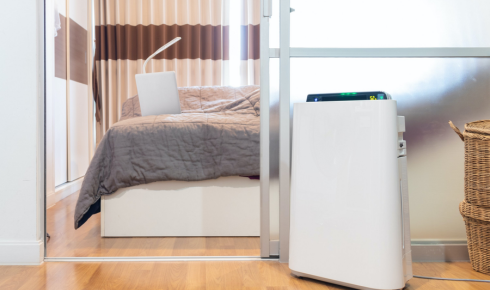
This is why many homeowners start looking at a whole home air purifier instead of relying only on small portable units. A whole-home approach is designed to support air throughout the living space, not just one bedroom or corner of the house. It works alongside the home’s airflow system, helping create a more consistent level of freshness from room to room.
Connected station The Quiet Difference Better Water Makes in Everyday Life
Dust Is Only Part of the Story
When people think of air purification, they usually picture dust. And yes, dust is a big part of it. But indoor air can contain much smaller particles too — things that float around unnoticed. Pollen can enter through open doors. Pet dander can stay in the air longer than expected. Smoke particles from cooking or outside sources can travel easily. Even tiny fibers from fabrics can collect over time.
That’s where HEPA filtration becomes important. HEPA-style filtration is valued because it is designed to capture very small airborne particles that basic filters may miss. For homes with allergy concerns, pets, or heavy dust buildup, this type of filtration can make a noticeable difference. Not overnight magic, of course, but steady improvement when used correctly and maintained properly.
Connected station Why Better Water Makes Everyday Home Life Feel Easier
The Air You Smell Matters Too
Particles are one issue. Odors and gases are another. A home may not be dusty, but it can still smell like paint, cleaning spray, new furniture, cooking oil, or musty corners. These smells often come from airborne chemicals released by everyday products and materials.
This is where VOC removal becomes part of a better indoor air strategy. VOCs, or volatile organic compounds, can come from paints, adhesives, flooring, furniture, air fresheners, and certain household cleaners. Good air management is not just about trapping visible dust. It is also about reducing the invisible things that affect how fresh and comfortable a home feels.
Connected station When Clean Water Stops Feeling Guaranteed: Understanding What Flows From Your Tap
Small Habits Still Count
A purifier can help a lot, but it should not be the only thing doing the work. Simple habits make the system more effective. Change filters on schedule. Use the kitchen exhaust fan while cooking. Keep humidity under control, because damp air can lead to musty smells and mold concerns. Vacuum regularly, especially if pets are part of the family. Open windows when outdoor air is clean and weather allows.
There’s no need to become obsessive about it. A healthy home is not supposed to feel like a laboratory. It just needs sensible maintenance and the right equipment working in the background.
Connected station Why Better Water Begins With Understanding What’s Really Flowing Through Your Home
Choosing the Right Setup
Not every home needs the same air solution. A large house with central HVAC may need a different setup than a smaller home or apartment. Families with asthma, pets, smoke exposure, or strong odor concerns may need stronger filtration options. Someone mainly dealing with light dust may not need the most advanced system on the market.
The best choice starts with the actual problem. Is the air stale? Is dust building up quickly? Are odors lingering? Are allergies worse indoors? Once you know what you’re trying to solve, the decision becomes much easier and less overwhelming.
A Fresher Home Feels Different
Clean air is one of those improvements people often notice quietly. The home smells better. Bedrooms feel less stuffy. Dust may not disappear completely, but it becomes easier to manage. Guests may not walk in and say, “Nice air,” but the space simply feels more comfortable.
In the end, better air is about daily living. It’s about waking up without that heavy-room feeling, cooking dinner without odors hanging around all night, and giving your family a home that feels calm and breathable. It may not be the flashiest upgrade, but it’s one of the most practical ones. And honestly, once the air feels cleaner, it’s hard to ignore the difference.
