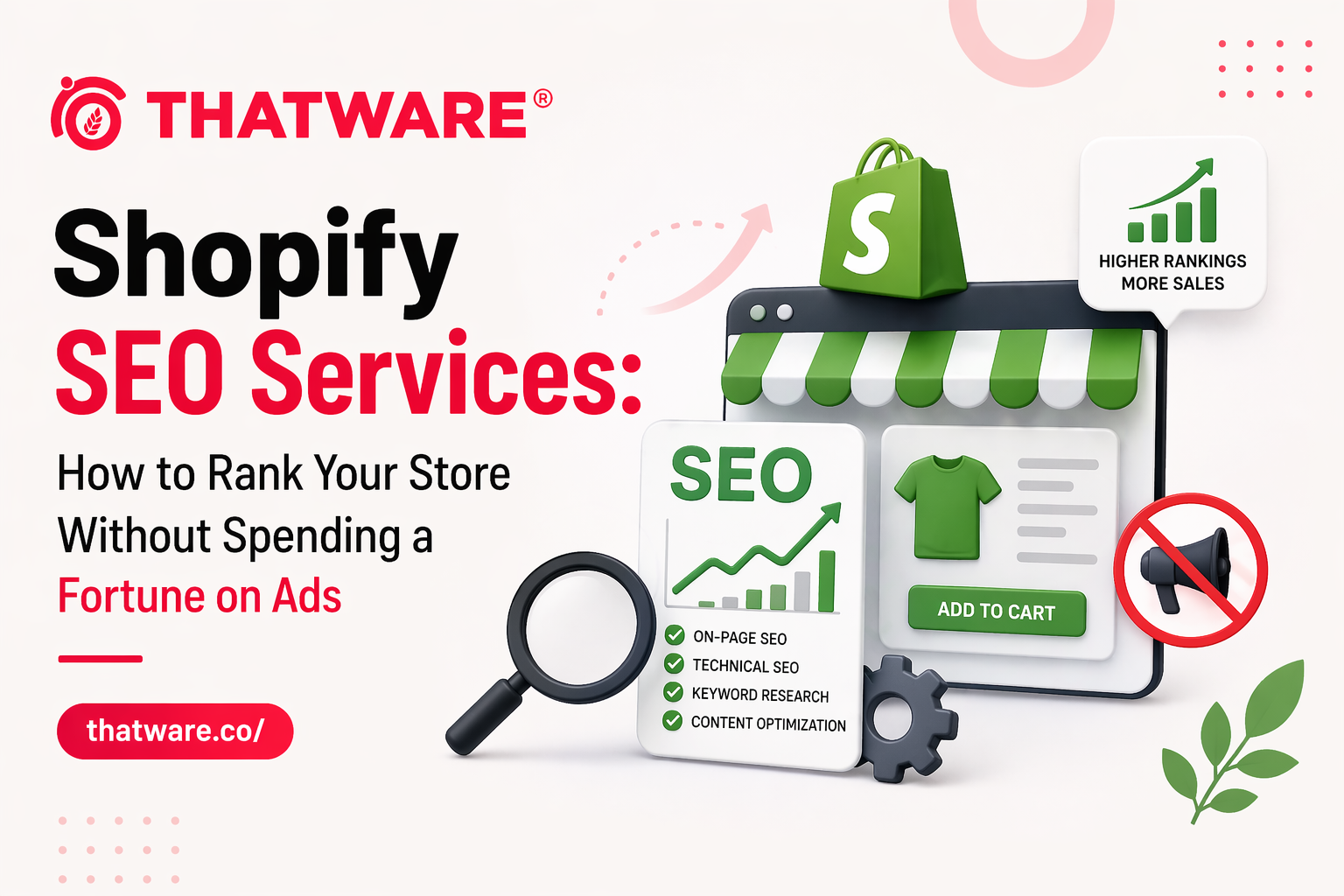
There’s a certain point in every ecommerce founder’s journey where they do the math on their paid ads and feel a quiet panic set in. The ROAS looks okay on paper. But strip out the platform fees, the creative costs, the constant testing budget, and you’re basically renting your own customers. The moment you stop paying, they stop coming.
That’s when a lot of store owners start looking seriously at organic search. And honestly, it’s about time.
Connected station How Agencies Can Scale Content Outreach Without Losing Editorial Standards
Shopify is a brilliant platform for building a store quickly. But it has some well-documented SEO quirks that can work against you if nobody’s paying attention. Duplicate content issues from faceted navigation, thin product descriptions that read like data sheets, canonical tag handling that isn’t always ideal out of the box. None of this is insurmountable, but it does mean that Shopify SEO isn’t quite the same as just following a generic checklist.
What Actually Moves the Needle for Shopify Stores
Here’s something most paid consultants will eventually tell you after billing enough hours: the fundamentals still matter enormously, and the fundamentals are often where most stores are weakest.
Connected station Affordable Bike and Scooty Rental Services in Delhi and Jaipur
Site structure is one. A lot of Shopify stores grow organically, collections get added, product ranges expand, and nobody steps back to ask whether the architecture actually makes sense from a crawl perspective. Search engines are trying to understand what your store is about and which pages are most important. If that architecture is messy, you’re making their job harder, which means your rankings suffer.
Product and collection page content is another. The temptation to use manufacturer descriptions is real, especially when you’re managing hundreds of SKUs. But thin or duplicate content is one of the most consistent ranking suppressors for Shopify stores. Original, useful copy that helps a shopper make a decision, not just a list of specs, tends to perform dramatically better over time.
Connected station Smarter Soft Water Without the Waste
Then there’s the technical side. Page speed, Core Web Vitals, mobile rendering, internal linking. These aren’t glamorous, but getting them wrong has measurable consequences. Getting them right creates a foundation that everything else can build on.
Working with a proper shopify seo services provider means someone is auditing all of these layers, not just the ones that are easy to report on in a monthly deck.
Connected station The Kind of Front Entrance People Remember Without Realizing Why
The Compounding Advantage of Organic Traffic
One of the things that doesn’t get talked about enough is how different organic traffic feels once it’s working. With paid ads, you’re essentially in an auction every single day. Your competitors raise their bids, your costs go up. A platform changes its algorithm, your performance shifts overnight. The relationship is transactional and volatile.
Organic traffic isn’t like that. A product page that ranks well in November will often still be ranking well in March. A cluster of blog content built around a buying intent keyword doesn’t expire when your budget runs out. The work you put in today compounds forward, and that’s a fundamentally different kind of asset than a paid campaign.
This doesn’t mean SEO is slow in the sense that it used to be. A well-optimized Shopify store in a competitive niche can start seeing meaningful organic movement within a few months of focused work. Not overnight, but faster than the “twelve months before anything happens” narrative that sometimes gets used to manage expectations down.
What to Look for in an SEO Partner
If you’re at the stage where you’re evaluating outside help, a few things are worth paying attention to.
First, do they actually understand ecommerce, not just SEO in the abstract? Someone who’s spent years on B2B lead gen has a different mental model than someone who understands product page optimization, category structure, and seasonal keyword patterns.
Second, are they transparent about the process? A good ecommerce seo services provider should be able to explain what they’re doing, why it’s expected to work, and what the measurement framework looks like. Vague promises about “comprehensive SEO” should make you ask more questions, not fewer.
Third, and maybe most importantly, do they seem curious about your business specifically? The stores that see the best organic results aren’t being treated as interchangeable clients. They’re being understood at a level where the SEO strategy is actually shaped by the product, the customer, the competitive landscape.
The Long View
Ecommerce is a grind. Anyone who’s built a store knows that. But the stores that are still around five years later, that have grown without being entirely dependent on paid traffic, tend to have one thing in common: they invested in organic infrastructure early and kept building on it.
That’s not a coincidence. It’s compounding.
The ads will always be there when you need a quick spike. But organic search, built properly, is the thing that makes you less dependent on them over time. And that independence, the ability to get consistent traffic without paying for every click, is genuinely one of the most valuable things an ecommerce business can build.
So no, you don’t need to spend a fortune on ads to grow a Shopify store. But you do need to be strategic, patient, and honest about where the technical and content gaps are. That’s the starting point for everything else.
