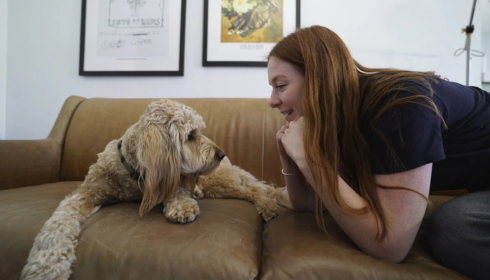
If your dog exhibits destructive behavior, excessive barking, or distress when you leave the house, you’re not alone. Many pet owners in Phoenix, Scottsdale, Tempe, and across Arizona struggle with separation anxiety dog training Arizona solutions that actually work. At Rob’s Dog Training, we’ve helped hundreds of families transform anxious pups into confident companions. In this guest post, you’ll learn expert, science‑backed strategies designed to meet your dog’s emotional needs and improve your daily life.
In this comprehensive guide, we cover everything from recognizing symptoms and common triggers to advanced training techniques that address the root causes of separation anxiety. You’ll walk away with actionable tips, real‑world examples, and a clear roadmap to lasting change for you and your dog.
Connected station The Plumbing Work That Keeps Homes, Businesses, and Communities Moving
Understanding Separation Anxiety in Dogs
Separation anxiety isn’t “bad behavior” or stubbornness; it’s a very real emotional condition. Dogs are social animals, and some bond so deeply with their humans that being alone triggers extreme stress.
What Does Separation Anxiety Look Like?
Common symptoms include:
- Destructive behavior such as chewing doors, furniture, or walls
- Excessive vocalization like barking, howling, or whining
- Pacing or restlessness
- Elimination in the house despite training
- Escaping or frantic attempts to reach you
These behaviors often occur only when the dog is alone, distinguishing separation anxiety from other behavior issues.
Tip: Set up a camera to observe behavior when you’re out. This helps differentiate anxiety from attention‑seeking habits.
Why Standard Training Often Fails
Many dog owners try basic obedience or quick‑fix solutions like “ignore the dog,” pheromone sprays, or anti‑anxiety supplements. While these may offer temporary relief, they don’t address the underlying fear that drives separation anxiety.
The key to effective separation anxiety dog training Arizona isn’t punishment or instant tricks; it’s building confidence, independence, and emotional resilience.
How Dogs Learn: The Science Behind Training
To understand successful separation anxiety training, it helps to know how dogs process experiences:
- Dogs learn through association and repetition, not reasoning like humans
- Stress triggers the same “fight, flight, freeze” response in dogs that it does in people
- Positive reinforcement helps build new neural pathways and reduces fear responses over time
Training should focus on gradual desensitization, not abrupt departures or avoidance of triggers.
1. Assess the Severity Before You Begin
Not all separation anxiety manifests the same way. Mild anxiety may show as brief whining or pacing. Moderate cases include persistent barking or mild destructive behavior. Severe cases can involve self‑injury, elimination, or frantic escape attempts. Dogs with severe anxiety may benefit from a professional evaluation or veterinary consultation. In these cases, a tailored training plan combined with possible medical support often yields the best outcomes.
2. Create a Calm Departure Routine
Many dogs learn departure cues, keys, picking up a bag, putting on shoes, and associate them with stress. To break this cycle:
- Practice “neutral departures.” Pick up keys and sit down instead of leaving
- Avoid big goodbyes. Keep departures low‑key and emotion‑free
- Wait for calm behavior before leaving. If your dog is barking or jumping, don’t leave yet
This teaches your dog that departures do not always mean abandonment.
3. Build Trust With Desensitization
Desensitization gradually exposes your dog to separation triggers in tiny steps that don’t provoke anxiety and reinforces calm behavior.
A Simple Desensitization Plan:
- Step 1: Step outside for 1 second and return
- Step 2: Step outside for 5 seconds and return
- Step 3: Increase time in 5–10 second increments
Only progress when your dog remains calm. If your dog becomes anxious, reduce to the last successful step. This process may take days to weeks, depending on your dog’s history and temperament. Be patient; long‑lasting results are built on trust, not speed.
4. Train Independence With Structured Alone Time
Independence training lets your dog enjoy alone time without panic. Try these techniques:
- Create a “Safe Zone”: a comfortable area such as a crate or room with favorite toys, bedding, and your scent
- Encourage gradual separation: start by being nearby, then slowly increase distance
- Use interactive toys and reward calm behavior: puzzle toys, treat-release timers, and praise
Structured alone time reinforces the idea that being alone is rewarding, not scary.
5. Teach a Strong “Stay” Cue
A reliable “stay” cue builds confidence and impulse control.
How to Train “Stay”:
- Ask for a sit
- Hold your palm toward your dog and say “stay.”
- Step back one step
- Return and reward calm behavior
Gradually increase distance and duration. This cue helps your dog understand boundaries and promotes emotional stability.
6. Environmental Strategies to Ease Anxiety
Small environmental adjustments support your training efforts:
- Background noise: Soft music or white noise can mask startling sounds
- Comforting scents: Familiar bedding or clothing with your scent
- Temperature control: Avoid spaces that are too hot or cold
These changes don’t fix separation anxiety on their own but create a supportive context for training.
7. Addressing Setbacks Without Frustration
Progress isn’t linear; some days will be better than others. If your dog regresses:
- Review your steps and slow progression
- Look for new triggers, like schedule changes or construction noise
- Maintain consistency in your approach
Frustration only increases stress, which slows progress. Celebrate small wins and focus on gradual, sustainable improvement.
8. When to Seek Professional Help
For dogs with severe symptoms, pairing at‑home training with a certified behavior consultant or trainer can be transformative. Professionals can:
- Tailor a step‑by‑step plan based on your dog’s history
- Incorporate behavior modification techniques
- Support you through challenges
In Arizona, experienced trainers who specialize in separation anxiety can accelerate progress and reduce stress for both you and your dog.
FAQs: Your Questions Answered
Can any dog develop separation anxiety?
Yes. Genetics, early life experiences, and changes in routine can all contribute.
Is separation anxiety training different from obedience training?
Yes, obedience focuses on commands; separation anxiety training addresses emotional responses and resilience.
How long does training typically take?
Time varies by severity, consistency, and individual dog temperament. Mild cases may improve in weeks, while severe cases may take 8–12 weeks or more.
Your First Steps Today
Ready to help your dog feel secure and confident? Start with these immediate actions:
- Evaluate your dog’s anxiety level
- Set up a safe zone with interactive toys
- Practice 1–2 minutes of desensitization today
- Keep a calm departure routine
Small steps lead to big changes.
Why Choose Professional Dog Training in Arizona
Effective separation anxiety training works best with guidance from experienced trainers who specialize in emotional behavior. Choosing professional support ensures:
- Customized training plans tailored to your dog’s temperament and anxiety level
- In‑home and virtual support for real-world scenarios
- Long-term strategies that strengthen the human-dog bond and encourage independence
- Science-backed techniques rooted in positive reinforcement and behavior modification
With the right approach, dogs learn to feel calm and confident when left alone, creating a more peaceful home environment for both pets and owners.
Final Thoughts
Separation anxiety is challenging, but it’s not permanent. With structured training, patience, and the right strategies, you can help your dog feel secure and stress‑free. The journey begins with understanding, consistency, and compassion.
If you’re ready to take the next step in separation anxiety dog training Arizona, connect with Rob’s Dog Training today. Your dog’s peace of mind and your own are worth it.
Visit https://robsdogs.com/ to learn more and book your personalized training plan.
