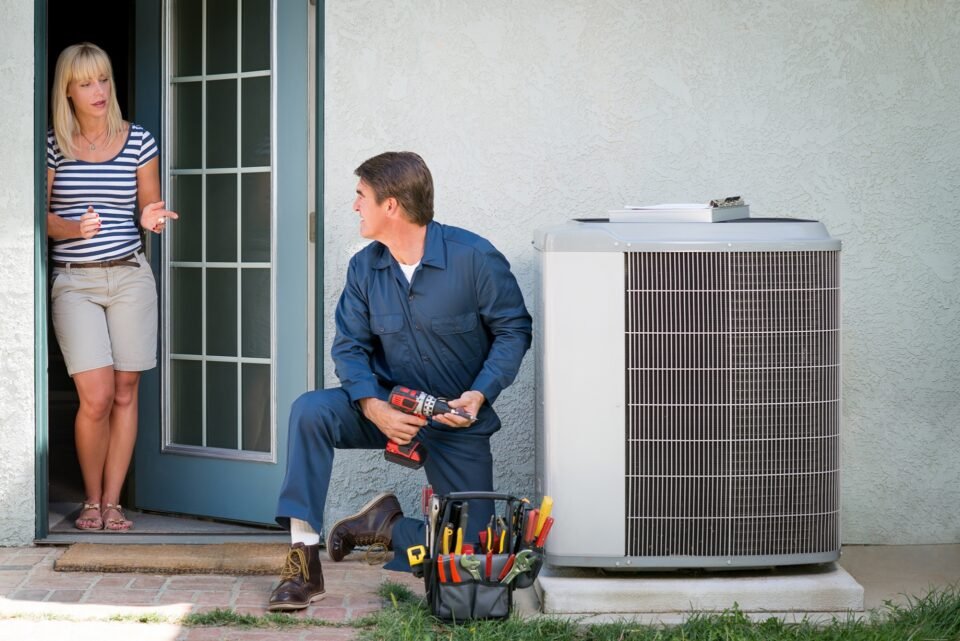
Most people don’t spend much time thinking about their air conditioner when it’s doing its job. You adjust the thermostat, hear the familiar hum in the background, and get on with your day. That’s the beauty of a reliable cooling system—it quietly makes life more comfortable without asking for much attention.
Then, one summer afternoon, things change.
Connected station Best Movers in Taman Melawati and Ampang: A Practical Guide to a Smooth Move
Maybe the house takes forever to cool down. Maybe the system starts making a noise you’ve never heard before. Or perhaps the electricity bill suddenly looks like it belongs to someone living in a much bigger house. At that point, the question becomes unavoidable: should you repair the system, maintain it, or start thinking about replacing it altogether?
There isn’t one answer that fits every home. But understanding how your cooling system works—and recognizing the warning signs—can make the decision much less stressful.
Connected station The Plumbing Work That Keeps Homes, Businesses, and Communities Moving
The Difference Between a Temporary Problem and a Bigger Issue
Not every AC problem means the entire system is finished. Sometimes the issue is surprisingly simple. A dirty air filter can restrict airflow. A thermostat setting may be incorrect. A blocked drain line or worn electrical component can also affect performance.
The trouble starts when problems become repetitive.
Connected station Choosing the Right Dumpster Size for Your Next Cleanup
If you find yourself scheduling repairs every few months, it may be time to look beyond the immediate issue. Continually fixing an aging system can feel like patching an old roof: each repair might solve today’s problem, but another one may be waiting around the corner.
This is where a professional inspection can be genuinely helpful. A qualified technician can assess the overall condition of the equipment rather than focusing only on the part that failed.
Connected station Smarter Water Management for Modern Commercial and Industrial Spaces
When AC Replacement Starts Making More Sense
At some point, homeowners may need to consider ac replacement, especially when an older unit becomes increasingly unreliable or expensive to operate.
Age alone doesn’t automatically mean a system needs to be replaced. Some units remain dependable for many years with proper care. However, if repairs are becoming frequent, performance has declined noticeably, and energy costs keep climbing, replacement may be worth discussing.
Connected station How Smarter Water Solutions Are Redefining Homes and Workplaces
A newer system can potentially offer better efficiency, improved temperature control, and modern features. But the decision shouldn’t be rushed simply because someone says, “Your unit is old.”
A good professional should explain the condition of the existing equipment, the likely cost of upcoming repairs, and the available replacement options. That gives you the information needed to make a sensible choice rather than an emotional one.
After all, replacing a major home system is an investment. Nobody wants to do it twice because they made a hurried decision.
Regular Maintenance Can Help Avoid the Worst Surprises
The easiest way to reduce unexpected cooling problems is to take care of the system before it starts complaining.
Professional ac maintenance often includes inspecting important components, checking system performance, cleaning certain areas, and identifying signs of wear. The exact service may vary depending on the equipment, but the general purpose is the same: catch smaller issues before they become bigger ones.
Homeowners can help as well. Filters should be checked regularly and replaced or cleaned according to the manufacturer’s recommendations. Indoor vents should remain open and reasonably clear of furniture or storage.
Outdoor equipment also needs breathing room. Leaves, grass clippings, branches, and other debris can build up around the unit and interfere with normal operation.
These tasks aren’t exciting. Nobody is likely to post online about the thrilling afternoon they spent checking an AC filter. Still, routine care can make a noticeable difference over time.
Understanding How Central Air Conditioning Works in a Home
For many households, central air conditioning is the system responsible for keeping the entire home comfortable during warmer weather.
Unlike a window unit that cools one room, a central system generally distributes conditioned air through a network of ducts and vents. This makes balanced airflow especially important. If one area of the house is consistently warmer than another, the problem may involve more than the cooling equipment itself.
Ductwork, insulation, window exposure, thermostat placement, and airflow restrictions can all affect comfort. That’s why simply buying the largest available AC unit isn’t necessarily the answer.
An oversized system may cool the home quickly but cycle on and off too frequently. An undersized system may run for long periods while struggling to reach the desired temperature. Proper sizing requires considering the home as a whole.
Watch for Changes in Performance
You don’t need technical training to notice when something feels different.
Pay attention if rooms take longer to cool, airflow becomes weaker, the system begins cycling unusually often, or new noises appear. Musty or burning smells should also be taken seriously.
Water around indoor equipment is another reason to investigate. Sometimes the cause is minor, but allowing moisture to continue collecting can lead to additional damage.
Your energy bill can offer clues too. A gradual increase may be connected to changing energy prices or heavier system use, but a sudden unexplained jump can be worth investigating.
The goal isn’t to panic every time the air conditioner makes a sound. Mechanical systems aren’t silent and they won’t run perfectly forever. It’s repeated or unusual changes that deserve attention.
Installation Quality Matters More Than Many People Realize
When replacement eventually becomes necessary, choosing the right equipment is only part of the process. Proper installation matters just as much.
A system should be appropriate for the home’s size and cooling requirements. Existing ductwork and airflow should also be considered. If the installation is rushed or important details are overlooked, even high-quality equipment may not perform as expected.
This is one reason homeowners should be cautious about choosing solely based on the lowest price. A cheap installation that creates years of performance problems isn’t much of a bargain.
Ask questions before making a decision. Find out what equipment is being recommended and why. Understand the warranty, expected maintenance needs, and whether any additional work is required.
A trustworthy professional shouldn’t make you feel uncomfortable for asking.
A Comfortable Home Is Built on Small Decisions
Taking care of an air conditioning system doesn’t have to become a complicated hobby. For most homeowners, the basics are enough: keep filters clean, pay attention to performance changes, schedule professional service when appropriate, and don’t ignore recurring problems.
Sometimes a repair is the right move. Sometimes maintenance restores performance and adds useful years to an existing unit. And sometimes replacement simply makes more financial sense.
The important thing is not waiting until the system completely fails before considering your options.
A little planning can reduce stress, spread out costs, and give you time to choose equipment based on your home’s actual needs rather than making a rushed decision during the hottest week of the year.
Because when summer arrives in full force, the last thing most of us want is another major household problem. A dependable cooling system may not be the most exciting feature in a home, but on a sweltering afternoon, it can feel pretty close to essential.
