Every cleanup project has its own personality. A small home decluttering job might produce a few piles of unwanted items, while a renovation can leave behind drywall, flooring, cabinets, packaging, and enough general debris to make the driveway look completely unfamiliar.
That’s why choosing the right dumpster matters. Too small, and you may run out of room before the work is finished. Too large, and you could end up paying for capacity you never needed. Among the most practical options for residential and light commercial projects are 10-, 15-, and 20-yard containers. Each has a place, and understanding the difference can make planning much easier.
Connected station A Comfortable Home Starts With Getting the Basics Right
Understanding Dumpster Capacity
Before comparing individual options, it helps to understand what the yard measurement actually means.
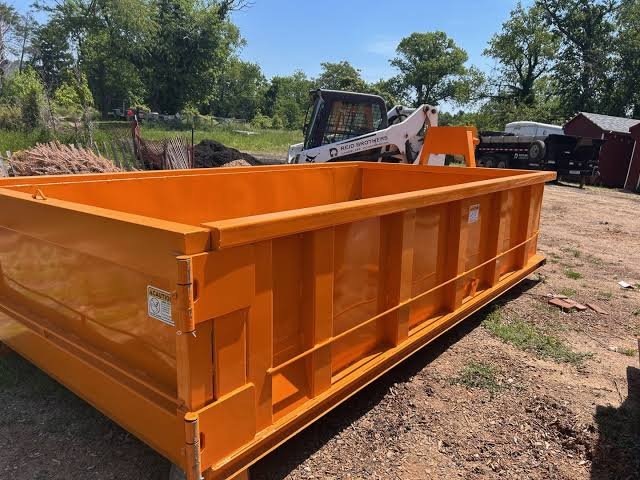
A dumpster’s size is generally measured in cubic yards, describing its total volume. It isn’t simply a measurement of length or height. So, a 10-yard container can hold 10 cubic yards of material, while a 20-yard container offers roughly twice that volume.
Connected station Best Movers in Taman Melawati and Ampang: A Practical Guide to a Smooth Move
Of course, volume isn’t the only consideration. Weight limits can matter just as much, particularly when you’re disposing of dense materials such as concrete, brick, soil, or roofing debris.
Think about both the type and amount of waste you’re generating. That’s usually the best starting point.
Connected station The Plumbing Work That Keeps Homes, Businesses, and Communities Moving
When a 10-Yard Dumpster Makes Sense
For smaller projects, a 10 yard dumpster can be a surprisingly useful option. It generally works well when you’re cleaning out a garage, removing a small amount of furniture, renovating a bathroom, or tackling a modest home improvement project.
Because it takes up less space than larger containers, it can also be easier to position on a residential property. That can be helpful if your driveway is narrow or your available space is limited.
Connected station Smarter Water Management for Modern Commercial and Industrial Spaces
Imagine you’re finally clearing out that garage you’ve been avoiding for three years. Old shelves, boxes, broken furniture, and miscellaneous junk can pile up quickly, but you may not need a massive container. A 10-yard option could provide enough room without overwhelming the property.
Still, don’t underestimate how quickly bulky items consume space. Furniture and large renovation materials may take up more room than their weight suggests.
Connected station When Is It Time to Repair Your AC—and When Is It Time to Let It Go?
The Middle Ground: A 15-Yard Dumpster
A 15 yard dumpster sits comfortably between smaller and larger options, making it appealing for projects that are difficult to classify as truly small or large.
It can be a good choice for medium-sized cleanouts, remodeling projects, flooring replacement, or a combination of household and construction debris.
This size can be particularly helpful when you’re unsure whether a 10-yard container will provide enough capacity. Instead of squeezing everything into a smaller dumpster and risking an additional rental, the extra room gives you some breathing space.
For example, replacing flooring across several rooms can generate more waste than expected. Add old cabinets, packaging, damaged materials, and general household clutter, and suddenly that “small” renovation isn’t so small anymore.
When a 20-Yard Dumpster Is the Better Choice
For larger renovations and substantial cleanouts, a 20 yard dumpster offers considerably more capacity.
It’s often suitable for projects such as major home remodeling, larger property cleanouts, roofing work, and construction jobs that produce a steady stream of debris.
The extra volume can be valuable when you’re removing several types of material at once. Imagine renovating a kitchen and living area simultaneously. There may be cabinets, countertops, flooring, drywall, wood, cardboard, and other debris all competing for space.
A 20-yard container gives you more room to work without constantly worrying about whether the pile will overflow.
However, bigger isn’t automatically better. If the project produces only a small amount of waste, renting a larger container may not be the most economical choice.
Don’t Forget About Weight Limits
One common mistake is focusing entirely on volume.
A dumpster might have plenty of physical space left, but that doesn’t mean you can keep filling it indefinitely. Dense materials can reach weight limits much sooner than lightweight household junk.
Concrete, dirt, bricks, and roofing shingles are good examples. They may not fill the container as quickly as furniture or cardboard, but they can become extremely heavy.
Before ordering, tell the rental provider exactly what materials you’ll be disposing of. Ask about weight allowances and additional charges if your load exceeds the agreed limit.
It’s much better to know the rules before the dumpster arrives.
Think About Where the Dumpster Will Go
Size also affects placement.
A larger container needs more room, and the delivery truck needs sufficient access to position it safely. Check your driveway dimensions and look for obstacles such as low branches, fences, parked cars, utility wires, or narrow gates.
If the container needs to sit on a street or other public area, local regulations may require a permit. Don’t leave this until delivery morning.
Clear the space ahead of time and make sure everyone involved in the project knows where the dumpster will be placed.
Choose Based on the Whole Project
Try not to estimate your dumpster needs based solely on the first day of work.
A renovation might start with a small amount of demolition but generate much more debris once walls, flooring, cabinets, or fixtures come out. Likewise, a property cleanout can reveal far more unwanted material than expected.
Make a rough list of everything you’re removing. Consider furniture, building materials, yard waste, boxes, and other debris. Then discuss your estimate with the rental provider.
A little extra capacity can be useful, but there’s no reason to pay for a giant container when a smaller one will comfortably handle the job.
A Few Smart Loading Tips
Once your dumpster arrives, load it thoughtfully. Place heavier materials toward the bottom and spread them throughout the container rather than concentrating everything in one spot.
Break down furniture and other bulky items whenever practical. This creates more usable space and can prevent you from reaching the fill line too quickly.
Never load the dumpster beyond the provider’s safety guidelines. Debris sticking above the top can create transportation hazards and may have to be removed before pickup.
Keep sharp materials contained, too, and use suitable protective equipment when handling demolition debris.
The Best Dumpster Is the One That Fits
There isn’t one perfect dumpster for every project. A 10-yard container may be exactly right for a small cleanout, while a 15-yard option can provide a useful middle ground. Larger renovations may justify the additional capacity of a 20-yard dumpster.
The key is to consider the project’s total waste, the materials involved, available placement space, and weight restrictions.
Take a realistic look at what you’re removing, ask questions before booking, and don’t be afraid to get professional advice. Choosing the right container might seem like a minor detail at the start of a project, but once the debris starts piling up, you’ll be glad you thought it through.
