Most people don’t think much about water until something feels slightly off. Maybe the coffee tastes bitter one morning for no clear reason. Maybe the shower leaves your skin dry, or the ice cubes carry a strange smell you can’t quite place. Small things, honestly. Easy to ignore at first.
But over time, those little clues tend to pile up.
Connected station The Little Water Problems You Notice Every Day—and What They Might Be Telling You
Water is one of the few things we interact with constantly without really noticing it. We cook with it, drink it, clean dishes in it, wash clothes with it, and hand glasses of it to our kids without much second thought. So when the quality changes — even subtly — daily life changes with it too.
And lately, more homeowners are starting to pay closer attention.
Connected station The Little Clues Your Home Gives When Water Is Too Hard
Why Water Concerns Feel More Personal Now
Years ago, most people simply trusted whatever came from the tap. There wasn’t much discussion about household filtration or testing outside of rural well systems. Today, though, conversations around home water feel more common.
Part of that shift comes from aging infrastructure. Some neighborhoods still rely on decades-old plumbing systems. Other areas deal with changing groundwater conditions or seasonal runoff that affects local supplies. Even perfectly treated municipal water can pick up unwanted tastes or odors during its journey through pipelines.
Connected station Why Better Water at Home Changes More Than You Expect
That growing awareness has made families more conscious of overall water quality — not just safety, but comfort too.
Because honestly, water doesn’t have to be dangerous to be unpleasant.
Connected station Why Better Water Begins With Understanding What’s Really Flowing Through Your Home
Sometimes it simply tastes flat. Or smells faintly metallic. Or leaves behind mineral residue that slowly drives people crazy without them fully realizing why.
The Difference Between “Safe” and Enjoyable
One thing many homeowners discover is that technically safe water and enjoyable water are not always the same thing.
Connected station When Rusty Water Is More Than Just a Stain Problem
Municipal systems work hard to protect public health, and that’s important. But treatment methods themselves can influence how water tastes by the time it reaches a home. Minerals, residual disinfectants, and older pipes all play a role.
For example, a strong chlorine taste is one of the most common complaints people mention when discussing tap water. Chlorine is widely used because it helps disinfect water effectively, but depending on the local system and plumbing conditions, it can leave behind an unpleasant aftertaste or odor.
Some people adapt to it completely. Others notice it every single day.
And oddly enough, once someone experiences filtered water that tastes cleaner and fresher, it becomes difficult to ignore the difference afterward.
Not All Water Problems Are Visible
One of the challenging things about household water is that many issues can’t be seen directly.
Water might look perfectly clear while still containing excessive minerals, sediment, or unwanted substances. In certain areas, trace contaminants can enter supplies through environmental runoff, aging infrastructure, or groundwater conditions. Sometimes homeowners only realize there’s a problem after noticing buildup on fixtures, appliance wear, or unusual taste changes over time.
That’s why water testing has become more common among homeowners who want a clearer understanding of what they’re actually using every day.
And honestly, testing often brings peace of mind as much as anything else. Sometimes the results confirm the water is fine. Other times they help identify manageable issues before they turn into larger frustrations.
Filtration Has Become More Accessible
The good news is that improving household water no longer requires massive equipment or complicated installation processes.
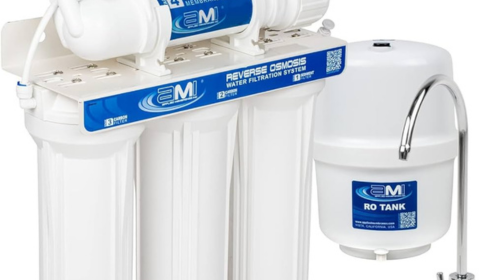
Modern filtration systems are smaller, smarter, and far more practical than older generations of technology. Some focus primarily on taste and odor reduction. Others address sediment, minerals, or more advanced purification concerns depending on local conditions.
The important part is that homeowners now have options tailored to their actual needs rather than one-size-fits-all solutions.
And perhaps even more importantly, these systems tend to work quietly in the background. Once installed, they become part of daily life without demanding much attention.
That convenience matters because nobody really wants another complicated household system to manage constantly.
Better Water Quietly Improves Everyday Life
People often expect dramatic changes after improving their water, but the benefits usually arrive in smaller, quieter ways.
Coffee tastes smoother. Pasta cooks better. Shower doors stay cleaner longer. Skin feels less dry during winter months. Guests stop asking for bottled water because the tap actually tastes refreshing.
It’s not flashy, but it’s noticeable.
One homeowner described it as removing “tiny daily annoyances” from the house, which honestly feels pretty accurate. Good water has a way of making a home feel calmer without demanding attention afterward.
Why More Families Are Taking Water Seriously
There’s also a broader lifestyle shift happening. People care more about what they consume now than they did twenty years ago. Ingredients matter. Air quality matters. Sleep matters. Naturally, water becomes part of that conversation too.
After all, it’s something we rely on every single day — far more often than most products people spend money researching.
And unlike many home upgrades, improving water quality affects nearly every room in the house simultaneously. The kitchen, bathroom, laundry room, appliances, even simple routines like brushing your teeth or making tea all become part of the improvement.
Paying Attention to Water Isn’t Overthinking It
At the end of the day, caring about household water isn’t about fear or obsessing over perfection. It’s simply about comfort, confidence, and creating a healthier environment for everyday life.
Most people don’t need laboratory-level purification systems or extreme solutions. They just want water that tastes good, feels reliable, and doesn’t create constant little frustrations around the house.
And honestly, that’s a pretty reasonable goal.
Because when water improves, daily life improves too — often in ways people don’t fully appreciate until they experience the difference for themselves.
