There’s something deeply personal about building a home from the ground up. It isn’t just about choosing walls, windows, or finishes. It’s about creating a place that quietly supports your daily routines, reflects your personality, and still feels right years from now. That’s a much bigger goal than simply following trends or copying a layout from a brochure.
The best homes rarely happen by accident. They’re shaped through conversations, revisions, unexpected ideas, and sometimes even a few disagreements that lead to better decisions. Somewhere between the first sketch and the final coat of paint, a house slowly becomes a home. And honestly, that’s one of the most rewarding parts of the entire process.
Connected station Why Better Water Makes Everyday Home Life Feel Easier
Every Family Lives Differently
Spend a day watching how different families use their homes, and you’ll quickly notice something interesting. No two households move through a space in quite the same way.
Some families gather in the kitchen from morning until bedtime. Others want quiet reading corners, spacious home offices, or outdoor entertaining areas that become the center of every weekend. Parents with young children often prioritize visibility and safety, while empty nesters may care more about accessibility and simplified maintenance.
Connected station How Better Water Quality Can Transform Everyday Life at Home
That’s exactly why copying someone else’s layout doesn’t always work. A beautiful home on paper may feel awkward in real life if it doesn’t match the people living inside it.
Designing around lifestyle instead of trends almost always creates a better long-term result.
Connected station Better Water Throughout the Home Starts with One Thoughtful Choice
Good Planning Saves More Than Money
Many people think planning is mainly about staying within budget. While that’s certainly important, careful planning saves something just as valuable—future frustration.
Imagine realizing after construction that your laundry room is too small, your kitchen lacks storage, or your home office receives harsh afternoon sunlight that makes working difficult. Those issues become expensive to correct later.
Connected station A Comfortable Home Starts With Getting the Basics Right
Taking extra time during the planning stage allows homeowners to think through daily routines before construction begins. Even simple questions make a difference.
Where do backpacks get dropped after school?
Connected station Why Better Water Quality Can Make a Real Difference at Home
How many people cook together?
Will grandparents visit often?
Is there enough storage for seasonal items?
The answers quietly shape a home’s success.
The Value of architect collaboration
One of the biggest misconceptions about home design is that homeowners must have every detail figured out before meeting a professional. In reality, the opposite is usually true.
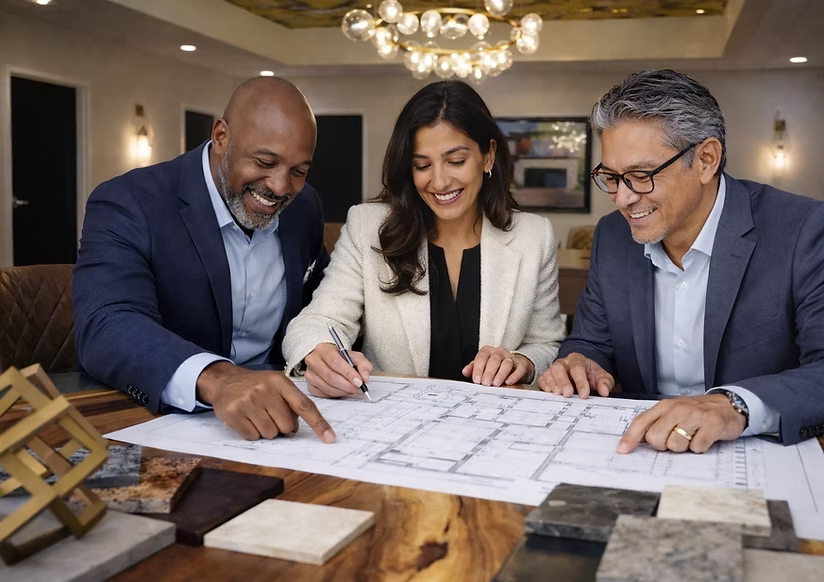
Successful architect collaboration works best when homeowners arrive with ideas rather than perfect solutions.
An experienced architect sees possibilities that aren’t immediately obvious. They understand how natural light moves throughout the day, how structural systems affect layouts, and how small adjustments can dramatically improve comfort without increasing construction costs.
Sometimes moving a hallway just a few feet creates space for an extra pantry. Rotating a room slightly might capture better views or improve energy efficiency. These improvements rarely happen by chance.
The relationship becomes less about drawing walls and more about solving problems creatively together.
Why personalized floor plans Matter
Walk through enough new developments, and you’ll notice many homes feel surprisingly similar. Standard layouts certainly serve a purpose, but they don’t always reflect the people who eventually move in.
That’s where personalized floor plans make such a meaningful difference.
Instead of asking homeowners to adapt to a predetermined layout, custom planning starts with their lifestyle first.
Maybe someone works night shifts and needs a quieter bedroom location. Perhaps a family loves hosting large holiday dinners and wants an oversized dining area. Another homeowner might prioritize a workshop over an extra guest bedroom.
These aren’t extravagant requests. They’re practical decisions that improve everyday living.
Years later, homeowners often remember these thoughtful choices far more than the trendy finishes they originally obsessed over.
Small Details Create the Biggest Impact
It’s funny how tiny design decisions often become the things people appreciate most.
A window placed perfectly above the kitchen sink.
A mudroom bench that keeps shoes organized.
Wide hallways that make moving furniture easier.
Extra outlets exactly where they’re needed.
Hidden storage beneath a staircase.
Individually, none of these features seem particularly exciting. Together, though, they create a home that simply feels comfortable.
Good design isn’t always dramatic. More often, it’s quietly practical.
Bringing Personality Into Every Room Through interior design services
Once the structure is complete, another exciting chapter begins.
Professional interior design services help transform empty rooms into welcoming spaces with character and warmth. While many people focus only on furniture or color palettes, interior design actually involves much more.
Designers consider lighting, texture, furniture scale, traffic flow, storage, and how every element works together. Their goal isn’t simply making a room beautiful—it’s making it feel balanced and comfortable.
A thoughtfully designed living room encourages conversation. A peaceful bedroom promotes better rest. Even a small home office can become noticeably more productive with smart furniture placement and lighting choices.
The best interiors don’t scream for attention. They quietly support everyday life.
Balancing Style With Practical Living
Social media has filled our screens with picture-perfect homes. They’re inspiring, no doubt, but real homes have real people living in them.
Children leave toys on the floor.
Pets shed fur.
Guests gather unexpectedly.
Life gets wonderfully messy.
Design decisions should reflect that reality.
Durable flooring, easy-to-clean surfaces, flexible furniture, and timeless materials often prove far more satisfying than chasing every passing trend. There’s nothing wrong with wanting a beautiful home, but beauty becomes even more valuable when it also functions well.
That balance is where truly successful design lives.
Looking Beyond Today’s Needs
One question rarely gets enough attention during home planning:
“Will this house still work for us ten years from now?”
Families grow. Careers change. Parents age. Children eventually leave home.
Planning with flexibility allows a home to evolve instead of becoming outdated.
A guest room might later become a nursery, then a study, and eventually a hobby space. Open layouts can adapt to changing lifestyles more easily than rigid designs.
Thinking ahead doesn’t limit creativity—it actually protects the investment you’re making.
A Home That Feels Like It Belongs to You
Building a custom home isn’t really about creating something larger or more luxurious. It’s about creating something more personal.
When thoughtful planning, experienced professionals, and homeowner vision come together, the finished home carries a sense of authenticity that’s difficult to describe. Visitors may notice attractive finishes or beautiful architecture, but the people living there experience something deeper. They feel comfortable. They feel understood by the space around them.
That’s the quiet success of intentional home design.
Years after construction is complete, long after the excitement of moving day fades, the little decisions made during planning continue paying off every single day. And perhaps that’s the greatest compliment any home can receive—not that it looks impressive, but that living there simply feels natural.
