Most people don’t think much about water until something suddenly feels wrong. Maybe the tap starts giving off a strange smell after a storm, or your coffee tastes oddly bitter for no clear reason. Sometimes it’s less obvious than that — dry skin after showers, cloudy dishes, or a faint metallic taste you can’t quite ignore anymore.
Water is one of those quiet parts of daily life that stays invisible until it demands attention.
Connected station Why Better Water Makes Everyday Home Life Feel Easier
I remember visiting a relative years ago who lived in a small town outside the city. Beautiful house, peaceful neighborhood, everything looked perfect from the outside. But within five minutes of arriving, they apologized for the taste of the tap water before I even took a sip. “You get used to it,” they said with a shrug.
That line stuck with me because it’s true. People adapt to poor water conditions surprisingly fast. What starts as a minor annoyance slowly becomes normal.
Connected station How Better Water Quality Can Transform Everyday Life at Home
The problem is, not every water issue should become normal.
Clean Water Shapes Daily Life More Than We Realize
We usually associate water with basic survival — drinking enough, staying hydrated, maybe cooking dinner. But water quietly affects dozens of routines every single day.
Connected station Why Better Water Begins With Understanding What’s Really Flowing Through Your Home
It influences the taste of coffee, the texture of laundry, the lifespan of appliances, and even how comfortable your showers feel. When households improve their water quality, they often notice changes in places they never expected.
Soap lathers more easily. Dishes rinse cleaner. Skin irritation sometimes improves. Even simple things like making tea or boiling pasta somehow feel different.
Connected station The Little Clues Your Home Gives When Water Is Too Hard
None of these changes sound dramatic on paper. But together, they create a home that feels healthier and easier to live in.
That’s probably why more homeowners are paying closer attention to their water now than they did a decade ago.
Connected station When Better Water Becomes One of the Best Upgrades for Your Home
Not All Water Problems Are Visible
One of the biggest misconceptions people have is assuming unsafe water will look dirty or smell terrible. Sometimes it does. But often, the real concerns are invisible.
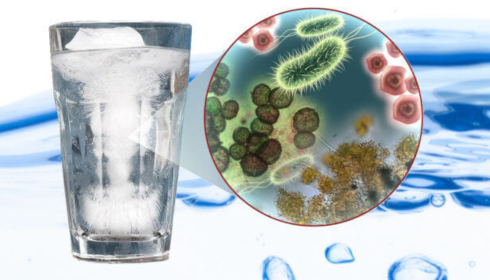
Certain minerals, chemicals, bacteria, and other contaminants can exist in perfectly clear water without obvious warning signs. That’s what makes regular testing so important, especially for homes relying on private wells or aging plumbing systems.
A friend of mine learned this the hard way after moving into an older property. The water looked fine, tasted mostly normal, and caused no immediate issues. But a routine test revealed elevated mineral content and traces of impurities from outdated piping.
The surprising part wasn’t just the results — it was realizing they would’ve never known otherwise.
That’s the uncomfortable reality with water. Appearance alone doesn’t tell the full story.
Why Taste and Smell Matter More Than People Admit
People often downplay unpleasant-tasting water because it seems harmless compared to larger household concerns. But taste matters. Smell matters too.
If water tastes strange, families naturally avoid drinking it. They buy bottled water instead, rely on sugary beverages, or simply stay less hydrated without thinking about it.
Improving drinking water quality can quietly shift those habits. When water tastes fresh and clean, people drink more of it naturally. There’s less hesitation, less second-guessing every glass poured from the tap.
One homeowner described it perfectly after installing a filtration system: “I stopped noticing the water entirely.” Oddly enough, that’s usually the goal.
Good water isn’t supposed to demand attention. It’s supposed to disappear into the background of life.
Small Clues Often Point to Bigger Issues
Water problems rarely arrive dramatically overnight. More often, they build slowly through small warning signs people overlook for months or even years.
Things like:
- White mineral buildup around faucets
- Cloudy drinking glasses
- Reduced water pressure
- Dry skin after bathing
- Strange odors from hot water
- Staining in sinks or tubs
Individually, these may seem minor. Together, they often indicate underlying water concerns worth investigating.
The tricky part is that homeowners adapt. You stop noticing the chlorine smell after a while. You get used to scrubbing mineral spots every weekend. It becomes routine.
Then you experience better water somewhere else and suddenly realize what you’d been tolerating all along.
Water Filtration Isn’t One-Size-Fits-All
The world of water treatment can feel overwhelming pretty quickly. There are softeners, carbon filters, reverse osmosis systems, UV purification setups, sediment filters — enough options to make anyone’s head spin after twenty minutes online.
But the smartest approach is usually simpler than people expect.
Instead of chasing trendy systems or expensive upgrades immediately, it helps to understand the actual problem first. A professional water test can reveal whether issues involve minerals, bacteria, chlorine, sediment, or other contaminants affecting household water.
From there, solutions become more practical and far less confusing.
Some homes only need basic filtration. Others benefit from more advanced purification systems. It really depends on the source and condition of the water entering the home.
And maintenance matters just as much as installation. Even excellent systems need regular upkeep to keep performing properly over time.
Better Water Creates Quiet Improvements
One thing people consistently say after improving their water is that life simply feels easier afterward.
Coffee tastes better. Laundry softens up. Showers become more comfortable. Appliances run more efficiently. Even cooking feels different in subtle ways.
These aren’t flashy transformations. They’re quiet improvements that slowly weave themselves into everyday routines.
And maybe that’s why conversations about water are becoming more common now. Homeowners are realizing that water isn’t just another utility — it’s something their families interact with constantly, every single day.
Once you experience genuinely clean, reliable water at home, it becomes surprisingly difficult to settle for anything less.
