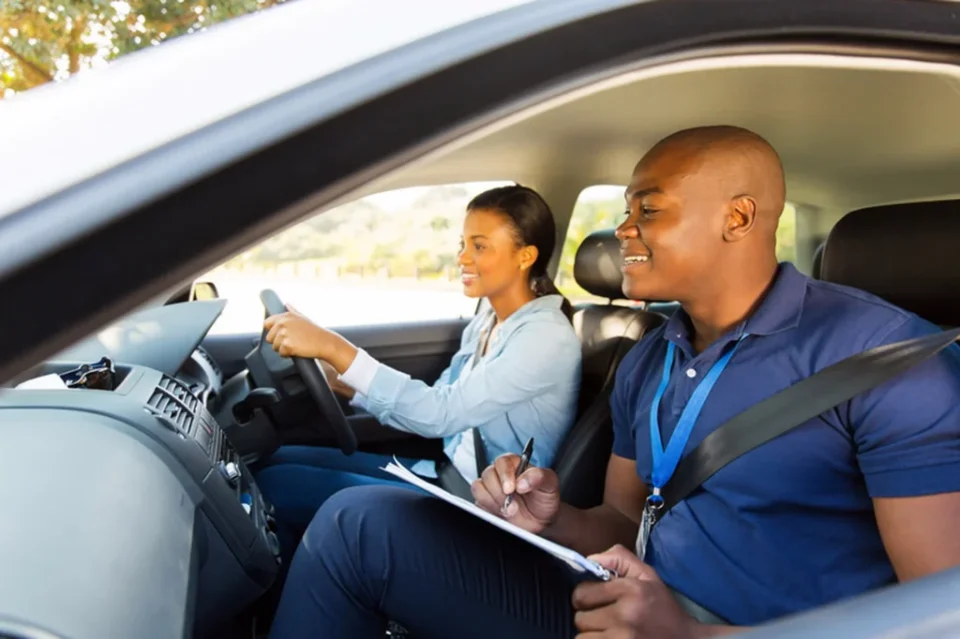
Learning to drive opens up a new kind of freedom. A trip to work, a weekend visit with friends, or a simple run to the grocery store becomes easier when you can get behind the wheel and go where you need to be. Yet for new drivers, that freedom can feel a long way off. There are mirrors to check, traffic signs to understand, pedals to coordinate, and other road users to watch. It can seem like a lot to manage at first.
The truth is that driving confidence develops gradually. Some people feel comfortable after a few sessions, while others need more time to get used to traffic and make decisions without hesitation. Neither experience is unusual. What matters is learning the right habits, practicing consistently, and understanding that safe driving is about much more than passing a test.
Connected station Why Better Water Quality Can Make a Real Difference at Home
Building Strong Foundations From the Beginning
The early stages of driving often involve simple tasks: adjusting the seat, checking mirrors, steering smoothly, and learning how much pressure to apply to the accelerator and brakes. These basics may not seem exciting, but they form the foundation for everything that follows.
When beginners become comfortable with vehicle controls, they have more attention available for the road itself. Instead of concentrating entirely on keeping the car straight, they can start noticing pedestrians, reading traffic signs, and anticipating what other drivers might do.
Connected station Ali Ata Educates on How to Reclaim Value Through Resident-Centred Rehabilitation
This is one reason professional driving lessons can be valuable for new learners. A structured learning environment gives students time to develop essential skills in a sensible order. They can begin in quieter areas before moving into more demanding traffic situations, with guidance available when something feels unfamiliar.
It’s also important not to rush the process. A learner who needs extra time to master turning or parking isn’t necessarily falling behind. Repeating a difficult maneuver until it feels natural is often far more useful than moving on simply because another student has done so.
Connected station Understanding Business Value: Why Knowing What Your Company Is Worth Is a Smart Move
Why Understanding Road Rules Matters
Driving involves constant decisions, and road rules provide a framework for making them safely. Knowing who has the right of way, when to signal, how to respond to a stop sign, and how to approach a pedestrian crossing helps prevent confusion.
Still, memorizing rules is only part of the job. Drivers must recognize when those rules apply and respond in real time. An intersection may look straightforward until a cyclist appears alongside the vehicle or a pedestrian steps toward the crossing. Good judgment means noticing these details early enough to act safely.
Effective driver education combines knowledge with practical application. Students should understand why following distance matters, how speed affects stopping distance, and why checking mirrors before changing lanes is essential. When the reasoning behind a rule is clear, it becomes easier to remember and apply.
These lessons also help drivers understand that road safety is a shared responsibility. A person may be legally entitled to proceed, for example, but still need to wait if another road user is behaving unpredictably. Being technically correct isn’t worth creating a dangerous situation.
The Importance of Learning at Your Own Pace
Every learner brings a different set of experiences to the driver’s seat. Someone who has spent years cycling in busy traffic may already be comfortable observing road activity. Another person may have little experience around moving vehicles and need more time to understand distances and speeds.
A good learning plan takes these differences into account. Instead of expecting every student to progress at the same rate, it focuses on individual strengths and areas that need improvement. This can make lessons more productive and reduce the pressure learners sometimes place on themselves.
For example, a student might steer confidently but struggle with judging gaps when joining traffic. Another might understand road signs well yet become nervous when reversing into a parking space. These challenges require different approaches, not a single solution applied to everyone.
Taking breaks can help, too. When a learner becomes overwhelmed, concentration often drops and small errors become more likely. A short pause, followed by a clear explanation and another attempt, may accomplish more than continuing through frustration.
How Good Instructors Help Learners Improve
A driving instructor does more than tell a student where to turn. The role involves observing behavior, identifying unsafe habits, explaining decisions, and helping learners develop the ability to manage situations independently.
Experienced driving instructors can often spot patterns that students don’t recognize themselves. A learner might check the rear-view mirror regularly but forget the side mirror before changing lanes. Someone else might brake safely but leave too little distance from the vehicle ahead. These details can be difficult to notice when a person’s attention is already stretched.
Useful feedback is specific and practical. Rather than saying, “You need to be more careful,” an instructor can explain which observation was missed and when it should happen. The student then has something concrete to work on during the next attempt.
Communication matters just as much. Learners should feel comfortable admitting when they don’t understand an instruction or asking for another demonstration. There’s no advantage in pretending to understand a maneuver and repeating it incorrectly. Questions are part of the learning process, not a sign of failure.
Making Practice Count Between Lessons
Lessons provide structure, but regular practice helps reinforce what has been learned. Where local laws permit, supervised driving with a qualified and authorized person can give beginners more opportunities to develop consistency.
The key is to practice with a purpose. Rather than driving around without a plan, choose one or two skills to focus on during each session. One day might involve smooth braking and maintaining a safe following distance. Another could concentrate on lane changes, turning, or parking.
After each drive, take a moment to consider what went well and what felt difficult. Perhaps checking mirrors has become more automatic, but judging the position of the car when reversing still feels awkward. Recognizing that difference makes the next practice session easier to plan.
Variety is useful once the basics are reliable. Different road layouts, traffic levels, and weather conditions expose learners to situations they will eventually encounter on their own. However, unfamiliar or challenging conditions should be approached gradually and with appropriate supervision.
Developing Safe Habits for Everyday Driving
A driving test measures performance in a particular setting, but everyday driving brings a much wider range of situations. There may be roadworks, sudden weather changes, impatient drivers, or a route that looks completely different after dark.
Safe habits help drivers handle these moments without reacting impulsively. Keeping a reasonable following distance, signaling clearly, scanning well ahead, and avoiding distractions can reduce risk in ordinary situations. These actions may seem small, yet they make a meaningful difference when traffic becomes unpredictable.
New drivers should also resist the temptation to check their phones, even when stopped briefly in traffic. Notifications can wait. Attention belongs on the road, the surrounding vehicles, and people who may enter the driver’s path.
Confidence should never be confused with overconfidence. Experienced drivers make mistakes, too, and conditions can change quickly. Recognizing uncertainty and slowing down when appropriate are signs of sound judgment, not weakness.
A Skill That Keeps Growing
Learning to drive is a process, not a single achievement. Passing an examination may provide a sense of relief, but real experience continues to shape a person’s decisions for years afterward. Every journey offers another opportunity to practice awareness, patience, and responsible behavior.
With clear instruction, regular practice, and an honest attitude toward mistakes, learners can build skills that last well beyond their first license. They don’t need to know everything immediately. They need to remain attentive, accept feedback, and keep improving.
The best drivers aren’t necessarily those who felt confident from day one. They’re often the ones who took the time to learn properly, respected the limits of their experience, and understood that safety comes before speed. That approach makes driving more comfortable for the person behind the wheel—and safer for everyone sharing the road.
