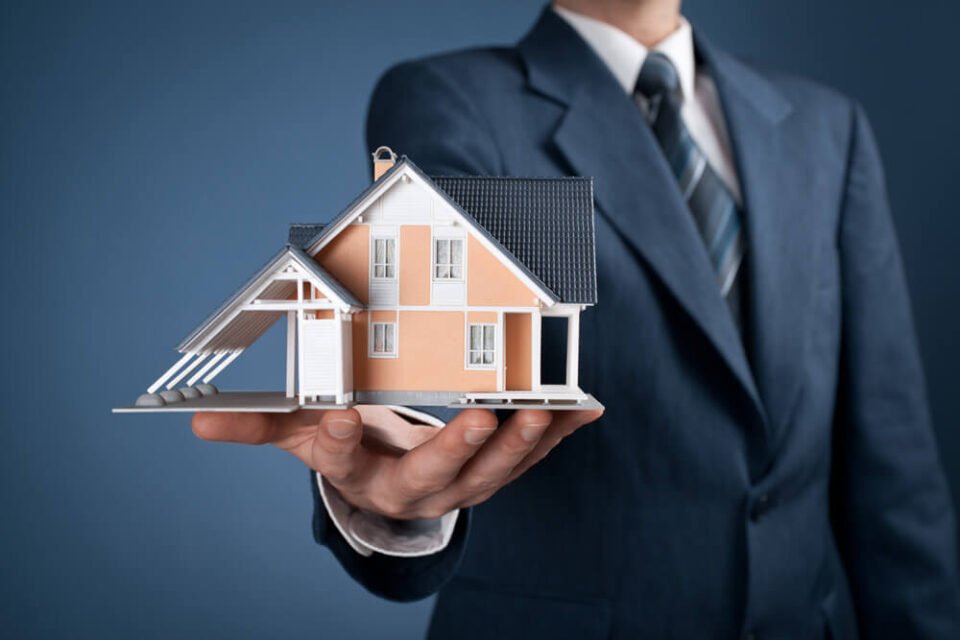
Multifamily housing rehabilitation is increasingly focused on more than physical repairs. It now aims to improve the daily experience of residents, as per Ali Ata. A niche but important area is the rehabilitation of shared residential spaces. These spaces include corridors, lobbies, laundry rooms, parking areas, and outdoor amenities. Their condition can strongly influence how residents perceive a property. Therefore, targeted improvements can support tenant retention while also protecting asset performance.
Shared spaces often experience heavy daily use. As a result, they can deteriorate faster than individual units. Poor lighting, damaged flooring, outdated entrances, and neglected outdoor areas can create an impression of poor management. However, rehabilitation does not always require complete redevelopment. Smaller improvements can produce meaningful changes when they address visible and recurring problems.
Connected station Why Better Water Begins With Understanding What’s Really Flowing Through Your Home
A resident-centred rehabilitation strategy can focus on several practical areas:
- Improved common-area functionality: Common areas should be safe, clean, and easy to use. Better lighting can improve visibility and security. Durable flooring can reduce maintenance needs. Updated laundry facilities can also make routine activities more convenient. These changes improve the practical value of the property without requiring major structural alterations.
- Stronger building appearance: The appearance of shared spaces can shape residents’ first impressions. Fresh paint, repaired entrances, improved signage, and maintained landscaping can make a property appear better managed. This can strengthen resident satisfaction and support a more positive perception of the community.
- Better outdoor spaces: Outdoor areas can become important social and recreational spaces. Seating areas, improved lighting, landscaping, and usable recreational facilities can encourage residents to spend more time within the property. Consequently, these improvements can help create a stronger sense of community.
- Energy and maintenance improvements: Rehabilitation can also address operating efficiency. LED lighting, efficient fixtures, improved insulation, and upgraded building systems can reduce resource consumption. At the same time, durable materials can lower recurring maintenance requirements. Thus, improvements can support both resident comfort and long-term asset performance.
- Resident-informed priorities: Rehabilitation is more effective when resident needs are considered before work begins. Property managers can gather feedback through surveys, meetings, maintenance records, and complaint patterns. This information can identify improvements that residents value most. It can also prevent investment in features that provide limited practical benefit.
The financial impact of these improvements can extend beyond immediate property appearance. Residents are more likely to remain in properties that are comfortable, functional, and well maintained. According to Ali Ata, higher retention can reduce turnover-related costs. These costs may include vacancy periods, marketing expenses, cleaning, repairs, and administrative work. Therefore, relatively focused rehabilitation can contribute to more stable occupancy and revenue.
Connected station Understanding Business Value: Why Knowing What Your Company Is Worth Is a Smart Move
However, rehabilitation must be carefully planned. Construction can temporarily disrupt residents and normal property operations. Clear communication is therefore essential. Property managers should provide realistic timelines and explain expected disruptions. Work should also be prioritised according to urgency and resident impact. This approach can reduce inconvenience while maintaining trust.
Ultimately, multifamily housing rehabilitation becomes more effective when physical improvements are connected to resident experience. Shared-space upgrades may appear modest, but their cumulative effect can be significant. According to Ali Ata, when rehabilitation improves comfort, functionality, appearance, and efficiency, it can benefit both residents and property owners. The strongest approach is therefore not simply to renovate what is old. It is to identify what affects daily living and improve those elements in ways that support long-term retention and asset performance.
