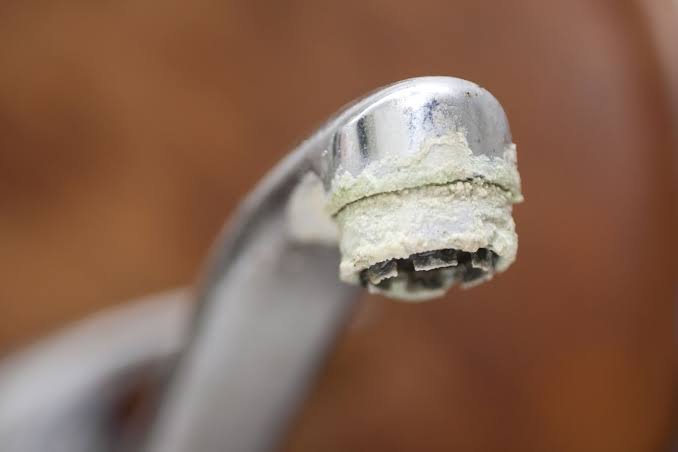
Hard water has a way of making itself noticed. You might see cloudy marks on glass shower doors, a chalky ring around the kitchen faucet, or stubborn deposits inside a kettle. Cleaning helps, of course, but the marks often return before long. If you’ve been looking for a way to manage these issues, you’ve probably come across salt-free water treatment. It sounds simple, but understanding what these systems actually do is important before deciding whether one belongs in your home.
The right solution depends on your water supply, the problems you’re trying to solve, and what you expect from the equipment. Salt-free treatment can be useful in certain situations, particularly when mineral scale is the main frustration. However, it doesn’t work exactly like a conventional water softener, and that difference matters.
Connected station Why Better Water Begins With Understanding What’s Really Flowing Through Your Home
Why Hard Water Leaves Deposits Behind
Hard water contains dissolved minerals, mainly calcium and magnesium. These minerals occur naturally as water moves through underground rock formations. Their concentration varies between regions, and even properties in the same area can experience different levels of hardness.
When hard water is heated or evaporates from a surface, some of its dissolved minerals can form solid deposits. That’s why kettles, water heaters, showerheads, and faucets are common places to find white or chalky residue.
Connected station The Little Clues Your Home Gives When Water Is Too Hard
Over time, hardness minerals can contribute to deposits inside plumbing and water-using appliances. The severity depends on several factors, including water temperature, mineral concentration, and how frequently equipment is used. A home with moderately hard water may experience occasional spotting, while a property with very hard water could face more persistent maintenance issues.
It’s worth remembering that hardness isn’t automatically a health hazard. Calcium and magnesium are naturally occurring minerals, and hard water is often primarily a household maintenance concern. Still, excessive scale can be inconvenient and may affect equipment performance if it isn’t managed.
Connected station When Better Water Becomes One of the Best Upgrades for Your Home
What Are Salt-Free Water Systems?
Unlike traditional salt-based softeners, salt-free water systems generally don’t remove calcium and magnesium through ion exchange. Instead, many are designed to condition water so that minerals are less likely to form stubborn deposits on surfaces and inside equipment.
Some systems use template-assisted crystallization, a process in which minerals are encouraged to form tiny crystals that are less likely to attach to plumbing and heating surfaces. Other products use different conditioning technologies. The precise method depends on the product, so it’s important to understand what a particular system has been tested to do.
Connected station Why Better Water Makes Everyday Home Life Feel Easier
This distinction is easy to miss when comparing products online. A conventional softener reduces the concentration of hardness minerals in treated water. Many salt-free conditioners leave those minerals in the water while aiming to change how they behave.
As a result, the water may still test as hard, and it may not feel as slippery as softened water does. Soap performance and laundry results may also differ from what you’d experience with a traditional softener.
Connected station Why Clean, Fresh Water at Home Feels Like a Quiet Upgrade
That doesn’t automatically make one approach better than the other. They serve different purposes, and the best choice depends on your priorities.
Managing Scale Without Adding Salt
For households that want to reduce their reliance on salt, conditioning technology can be worth exploring. These systems typically don’t require the regular salt replenishment associated with ion-exchange softeners, which may simplify routine maintenance.
Their main appeal is helping control scale buildup on surfaces and within compatible plumbing equipment. Depending on the technology, water chemistry, and installation conditions, a conditioner may reduce the tendency for mineral deposits to stick to certain surfaces. Results can vary, so claims should be checked against independent testing and the manufacturer’s documented performance.
A salt-free conditioner won’t necessarily remove existing deposits. If your showerhead is already clogged with mineral scale, it may need cleaning or replacement. Similarly, a kettle with thick deposits may still require descaling according to its manufacturer’s instructions.
It’s also important not to assume that scale control means every hard-water symptom will disappear. Water spots can remain, and the treatment may not provide the same soap-lathering or fabric-feel changes associated with softened water.
A useful question to ask before purchasing is simple: what specific improvement has this product been shown to deliver under water conditions similar to yours?
Salt-Free Conditioning Versus Traditional Softening
The choice becomes clearer when you compare the two approaches side by side.
Traditional ion-exchange softeners replace calcium and magnesium ions with sodium or potassium ions. They are designed to reduce water hardness, making them a strong option for households that want softer water for bathing, washing, and appliance use. They generally require regeneration, which involves water and a regenerant such as salt.
Salt-free conditioners typically aim to reduce scale formation without removing the minerals responsible for hardness. Depending on the technology, they may need less routine attention and avoid the brine regeneration process used by conventional softeners. However, they won’t necessarily deliver all the same benefits.
Think about what bothers you most. If mineral deposits on a water heater are the primary concern, a suitable scale-control system might be worth considering. If your biggest complaints involve soap performance, stiff-feeling laundry, or the overall experience of very hard water, a conventional softener may be more appropriate.
Neither option should be selected without considering the water supply. Certain contaminants, high sediment levels, or elevated iron can affect treatment performance and may require additional equipment.
What to Check Before Buying
Start with a water test. Knowing the hardness level provides a much more useful foundation than relying on a salesperson’s estimate or a neighbor’s experience. If your water comes from a private well, consider whether broader testing is appropriate for your location and circumstances.
Next, review the system’s specifications. Look for clear information about the technology used, flow-rate capacity, operating conditions, maintenance needs, and the types of scale reduction demonstrated in testing. Be cautious of broad promises that suggest one small device can solve every water quality issue.
Installation also deserves attention. The system needs to be correctly sized for the property’s water demand and installed according to the manufacturer’s instructions. Poor installation or unsuitable water conditions can undermine even well-designed equipment.
Finally, compare the total cost over several years. The purchase price is only part of the picture. Consider replacement cartridges, service requirements, energy or water use where relevant, and the availability of technical support.
Keeping Expectations Realistic
No water treatment system is a magic fix, and salt-free conditioning is no exception. A well-matched product may help manage scale, but its effectiveness depends on the technology and the conditions in which it operates.
Keep an eye on your fixtures and appliances after installation. Follow maintenance recommendations and arrange another water test if you notice unexpected changes. If deposits continue to appear, ask the installer whether the system is functioning correctly or whether the water chemistry calls for a different approach.
Most importantly, remember that conditioning isn’t the same as disinfection or comprehensive filtration. If you’re concerned about bacteria, nitrates, lead, or other contaminants, use appropriate testing and treatment designed for those specific risks.
Finding the Right Fit for Your Home
Choosing between salt-free conditioning and traditional softening starts with understanding what you want to change. Some households mainly want help controlling mineral deposits without managing a salt tank. Others need a more complete reduction in water hardness to make everyday washing and cleaning easier.
Neither preference is wrong. The important thing is to match the equipment to the problem instead of buying based on a catchy product description.
Take time to test your water, compare credible performance information, and ask questions before committing. With a little research, you can choose a practical solution that fits your home, your budget, and your expectations—and spend less time scrubbing away those stubborn mineral marks.
