
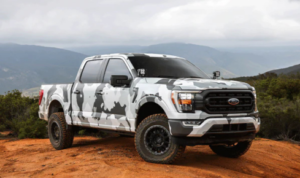
There’s a strange kind of familiarity that comes from repeatedly seeing the same company vehicles around town. Maybe it’s the plumbing van parked near your neighborhood every Tuesday morning, or the delivery trucks you notice during your commute without even trying. Over time, those visuals stick in your head. Quietly. Naturally.
That’s something digital advertising often struggles to do now.
People scroll past online ads at lightning speed. Pop-ups get closed before they fully load. Social media promotions blur together after a while. But a well-designed vehicle out in the real world still feels tangible. Real businesses, real people, real movement. There’s something grounded about it.
That’s probably why companies continue investing heavily in vehicle branding despite how online marketing dominates conversations these days.
Visibility Without Feeling Pushy
One reason branded vehicles work so well is because they don’t interrupt anyone.
Nobody feels forced to engage with them. They simply exist in everyday spaces — highways, parking lots, neighborhoods, gas stations. People notice them naturally, often without realizing it.
A wrapped vehicle becomes part of the landscape over time. Repetition builds familiarity, and familiarity builds trust. It’s subtle psychology, honestly.
For businesses with multiple service vehicles, consistency matters even more. Seeing matching trucks or vans across a city creates the impression of stability and professionalism. That’s where fleet graphics become more than just decorative design choices. They become part of how customers mentally recognize and remember a company.
Even smaller businesses can appear larger and more established simply through consistent visual presentation.
First Impressions Happen Fast
Most customers form opinions incredibly quickly.
Sometimes it’s within seconds.
Imagine two contractors arriving at your home. One pulls up in a faded unmarked van with peeling paint. The other arrives in a clean branded truck with polished graphics and organized equipment visible inside.
Whether fair or not, people instantly feel more comfortable with the second business.
That’s because appearance communicates effort. It signals that a company pays attention to details. And customers naturally assume businesses that care about presentation are more likely to care about service too.
It may sound superficial, but visual trust matters in almost every industry.
Vehicles Became Moving Billboards
Unlike traditional billboards, vehicles move through different communities constantly. One truck might generate visibility across multiple neighborhoods in a single day without any extra advertising cost.
That’s part of what makes vehicle wraps such a practical long-term marketing investment. The advertisement continues working whether the vehicle is driving, parked at a job site, or sitting outside a business overnight.
And unlike radio ads or social campaigns that disappear once budgets stop, a wrap keeps generating impressions every single day.
Some studies estimate thousands of visual impressions per day for heavily traveled vehicles. Whether or not people consciously read every detail, they still absorb logos, colors, and business names passively over time.
That repeated exposure adds up quietly.
Design Matters More Than People Think
Not every branded vehicle works equally well.
Some are overloaded with information — giant phone numbers, five different fonts, too many colors fighting for attention. Instead of looking professional, they feel chaotic.
The strongest designs usually stay simple.
Clear typography. Strong contrast. One memorable visual idea. Enough information for recognition without overwhelming people at stoplights.
Modern wrapping technology helped a lot too. Matte finishes, textured vinyls, satin surfaces, and high-resolution graphics now allow vehicles to look sleek rather than overly commercial.
In fact, some wrapped vehicles barely feel like advertisements anymore. They feel closer to mobile design pieces.
And honestly, that shift matters because people respond better to tasteful branding than aggressive sales messaging.
Employees Notice It Too
One interesting side effect businesses rarely mention is how branding impacts employees internally.
Drivers often treat branded vehicles more carefully because the company name is visible everywhere they go. Fleets tend to stay cleaner, better maintained, and more organized when vehicles visibly represent the business.
There’s also a sense of pride involved sometimes.
Employees driving professional-looking vehicles often feel more connected to the company itself. It creates a stronger sense of identity, even subconsciously. Small detail maybe, but human psychology works in funny ways.
Good Branding Creates Emotional Memory
The word branding gets thrown around constantly in marketing conversations, but at its core, it’s really about memory.
Can people recognize you easily? Will they remember your company later when they actually need your service?
That’s where consistent visual exposure becomes powerful.
A homeowner may not immediately call the roofing company whose truck they see around town every week. But months later, when a leak appears after heavy rain, guess which business feels familiar first?
Probably the one they’ve already seen multiple times.
That familiarity lowers hesitation. People trust what feels known.
Physical Advertising Still Feels Human
Maybe that’s the biggest reason branded vehicles continue working so well despite endless technological changes.
They exist in the real world.
You aren’t being targeted by an algorithm or followed across websites. You’re simply seeing a real vehicle driven by real people working inside your own community. That physical presence creates authenticity in a way digital ads often struggle to replicate.
And honestly, people are craving more of that now.
Simple visibility. Consistent presentation. Quiet familiarity.
No flashy tricks required.
Sometimes the most effective marketing isn’t the loudest thing in the room — it’s the thing people keep seeing naturally until it becomes impossible to forget.

