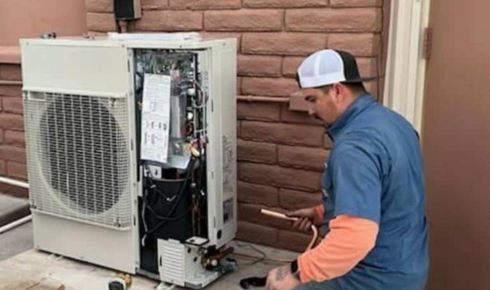
There’s a strange habit many of us have when it comes to household systems: if something still works, we assume it’s fine. The air conditioner turns on, the heat kicks in eventually, and the vents are still blowing air, so life moves on.
Until one day it doesn’t.
Connected station Why Wall and Ceiling Repairs Matter More Than Most Homeowners Realize
Maybe the house suddenly won’t cool down during a heatwave. Maybe the furnace starts making a sound that feels slightly concerning at 2 a.m. Or maybe the energy bill climbs so high that you stare at it for a minute wondering if there’s been some mistake.
The truth is, heating and cooling systems rarely break down without warning. Most of the time, they give little signals long before things become serious. The problem is, busy homeowners usually miss them.
Connected station When Rusty Water Is More Than Just a Stain Problem
And honestly, that’s understandable. HVAC systems aren’t exactly exciting dinner conversation.
Small HVAC Problems Rarely Stay Small
One of the biggest misconceptions about home comfort systems is that breakdowns happen suddenly. In reality, most failures build slowly over months or even years.
Connected station Why Reliable Water Care Makes Everyday Life Easier Than You Might Expect
Dirty filters restrict airflow. Worn parts force motors to work harder. Dust buildup lowers efficiency little by little. These things don’t usually cause immediate disasters, which makes them easy to ignore.
That’s where routine system maintenance quietly becomes important. Not glamorous important — just practical, long-term important.
Connected station Why Better Water at Home Changes More Than You Expect
A professional inspection can catch issues while they’re still manageable and inexpensive. Loose electrical connections, refrigerant leaks, clogged drain lines, failing capacitors — these are all fairly common problems technicians spot before homeowners even realize something’s wrong.
And honestly, preventing a breakdown feels a lot better than dealing with one during the hottest week of July.
Connected station Why More Homeowners Are Rethinking the Way Their Water Feels
Comfort Affects More Than People Realize
Most people think HVAC systems are only about temperature control, but comfort is actually more complicated than that. Airflow, humidity, indoor air quality, and ventilation all affect how a house feels throughout the day.
You can technically have cool air and still feel uncomfortable if the humidity is too high. Bedrooms with poor airflow often feel stuffy no matter how low the thermostat is set. Some homes constantly collect dust because filtration systems aren’t functioning efficiently.
Little annoyances like these slowly wear on people without them fully noticing.
Then when the system finally works properly again, the difference feels surprisingly dramatic.
Air Conditioners Work Harder Than We Think
In warmer climates especially, air conditioners run for long stretches every single day during summer. That’s a heavy workload for any machine.
Without regular ac maintenance, systems gradually lose efficiency over time. Coils become dirty. Filters clog. Refrigerant levels drift lower. Fans and motors experience wear from nonstop operation.
What makes this tricky is that homeowners often adapt gradually to declining performance. The house cools a bit slower each month, but because the change happens little by little, it feels normal.
Until guests visit and casually mention, “Wow, it’s pretty warm in here.”
Routine service helps systems maintain steady performance while reducing strain on major components. That not only improves comfort but often lowers energy usage too — something homeowners definitely appreciate once utility bills start climbing during summer.
Heating Problems Tend to Show Up at the Worst Time
Heating systems have an almost comedic sense of timing. They rarely fail during mild weather when nobody really needs them.
No, they wait until freezing temperatures arrive.
A neglected furnace or heat pump may sit dormant for months before suddenly being asked to work nonstop during winter. That’s when worn parts or hidden issues finally show themselves.
Regular heating maintenance helps reduce the chances of those unpleasant surprises. Technicians typically inspect burners, airflow, electrical components, thermostats, and safety systems before colder weather pushes the equipment into heavy use.
There’s also a safety side people sometimes forget about. Faulty heating systems can create risks involving carbon monoxide or electrical failures if left unchecked too long.
That’s another reason maintenance isn’t only about convenience — it’s about keeping homes safe and reliable.
The Best HVAC Systems Are the Ones Nobody Notices
Funny enough, when heating and cooling systems work perfectly, people barely think about them at all.
There’s no constant thermostat adjusting. No hot spots in one room and freezing temperatures in another. No strange rattling sounds starting at midnight for absolutely no reason.
Everything just quietly works.
And maybe that’s the real purpose of HVAC care. Not flashy upgrades or complicated technology, but steady everyday comfort that fades naturally into the background of life.
A good system helps people sleep better, focus more easily, and feel comfortable inside their own home regardless of what the weather is doing outside.
Homeowners Usually Wait Too Long
If there’s one pattern HVAC professionals see constantly, it’s homeowners waiting until problems become impossible to ignore.
People postpone inspections because the system still “kind of works.” They delay service hoping strange noises will magically disappear. Sometimes they simply forget maintenance altogether because life gets busy.
And honestly, most people don’t realize how much stress routine care can prevent until after they experience a major breakdown.
Seasonal tune-ups tend to cost far less than emergency repairs or full replacements. More importantly, they help extend the lifespan of expensive equipment that homeowners rely on every single day.
Comfort Is One of Those Things You Miss Immediately
At the end of the day, HVAC systems aren’t really about machines. They’re about how a home feels.
A comfortable house changes the mood of everyday life in subtle ways. People rest better. They’re less irritable during extreme weather. The space simply feels easier to live in.
That’s why regular maintenance matters more than many homeowners initially realize. Not because anyone enjoys scheduling service appointments, but because small preventative steps quietly protect the comfort people depend on without thinking about it much.
And honestly, that peace of mind is probably worth more than most people expect.
